Raw Material And Recipe Silo

Raw Material and Recipe Silos: The Backbone of Modern Manufacturing

Why Efficient Raw Material Storage is Critical

In modern manufacturing, the way raw materials are stored, handled, and dosed directly impacts production efficiency, product quality, and operational costs. Whether in plastics, pharmaceuticals, food processing, or chemicals, consistent and contamination-free material handling is crucial for maintaining high output standards.

Manual handling methods are often labor-intensive, error-prone, and space-consuming. This has led to the increasing adoption of automated silo systems—especially raw material silos and recipe silos—which bring precision, automation, and reliability to manufacturing processes.

Margo Industries, with decades of experience in engineering solutions for bulk material handling, offers high-performance silo systems tailored to modern industrial demands.

Understanding Raw Material Silos and Recipe Silos

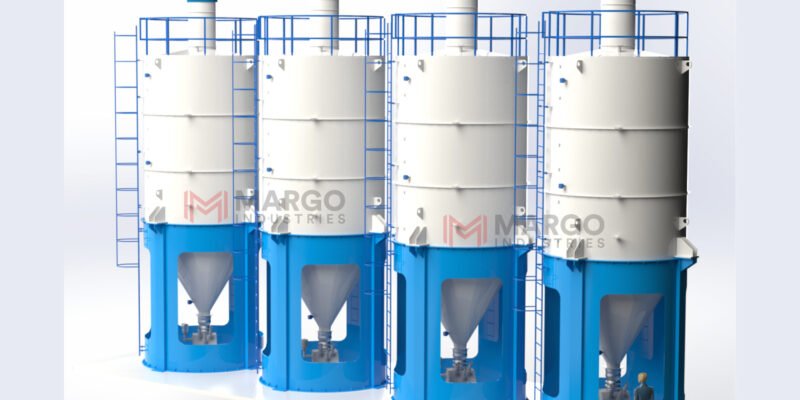
A raw material silo is a specialized storage container designed to store bulk materials such as powders, granules, or liquids. These silos ensure safe, hygienic, and efficient material storage with features that facilitate easy discharge, level monitoring, and integration into automated systems.

Recipe silos go beyond mere storage. They are engineered for precise batching and formulation of materials as per predefined recipes. These silos work with weighing systems, dosing mechanisms, and control software to ensure exact ingredient combinations for every batch, supporting high product consistency and traceability.

  • Silo body (cylindrical or rectangular)
  • Feeding mechanisms (screw conveyors, pneumatic systems)
  • Level sensors (ultrasonic, radar, load cells)
  • Weighing units for batch accuracy
  • Control systems (PLC, SCADA) for recipe and process automation

Types of Raw Material and Recipe Silos

  • Vertical Silos : Utilize gravity for material flow, occupy less floor space, ideal for large volumes.
  • Horizontal Silos : Easier to maintain and fill, suitable for low-height facilities or modular configurations.
  • Modular Silos : Designed for expandability and quick installation, can grow with production needs.
  • Mobile Silos : Skid-mounted or containerized, easily relocatable, ideal for temporary or multi-site operations.
  • Powder Silos : Equipped with aeration pads, fluidization cones for easy flow.
  • Granule Silos : Smooth walls and steep cones to prevent bridging and rat-holing.
  • Liquid Silos : Sealed, corrosion-resistant construction with heating or cooling options.
  • Stainless Steel (SS304, SS316) : High corrosion resistance, ideal for food, pharma, and chemicals.
  • Carbon Steel : Cost-effective and durable for general-purpose use.
  • FRP/Composite Silos : Lightweight, corrosion-resistant alternatives for specific applications.

Core Features and Technologies

Margo Industries manufactures silos using precision welding, anti-corrosive coatings, and reinforced structures to handle a wide range of materials under varying environmental conditions.

  • Screw Feeders : Ideal for consistent, metered material discharge.
  • Rotary Valves : Used for pressure-tight systems.
  • Pneumatic Conveying : For closed-loop, dust-free material transfer.
  • Ultrasonic Sensors : Non-contact sensing for clean applications.
  • Radar Level Sensors : Accurate for all types of materials, including vapors and dust.
  • Load Cells : Used for real-time material weight monitoring and batching.

These systems support high-accuracy material transfer based on weight or volume. Integrated batching ensures recipe consistency, reduces waste, and enhances production throughput.

  • PLC (Programmable Logic Controllers) : Enable logic-based automation for dosing, timing, and sequencing.
  • SCADA Systems : Provide real-time visibility and control over inventory, recipes, and operational status.
  • HMI Interfaces : Touch-based operator panels for easy control and diagnostics.
  • Pressure relief valves
  • Dust collection systems and bag filters
  • Explosion-proof electrical components (ATEX compliance)
  • Grounding and bonding for static control
  • Compliance with FDA, CE, and GMP standards depending on industry

Benefits of Using Raw Material and Recipe Silos

  • Precision in Batching : Consistent formulation through automated dosing and weighing.
  • Reduced Labor and Manual Errors : Automated systems reduce dependence on human intervention.
  • Enhanced Material Traceability : SCADA and PLC systems maintain batch logs and usage data.
  • Improved Product Quality : Consistent and contamination-free formulation ensures end-product reliability.
  • Efficient Use of Space : Vertical design and modular layouts optimize plant real estate.
  • Dust-Free and Safe Operation : Enclosed systems reduce health hazards and material wastage.
  • Operational Efficiency : Faster cycle times and reduced downtime through automation.

Industry Applications

Silos are used to store and dispense materials such as PVC, HDPE, LDPE, masterbatches, and additives. Recipe silos enable automated feeding into extrusion and compounding lines.

Used for flour, sugar, spices, cereals, and other ingredients in batch and continuous processing. Clean-in-place (CIP) options and stainless-steel construction ensure food safety compliance.

Recipe silos help dose APIs and excipients with high accuracy. Systems are GMP-compliant and designed for hygienic operations with smooth interiors and sealed environments.

Used for handling resins, solvents, powders, and reactive materials. Explosion-proof and corrosion-resistant designs are critical in chemical environments.

For materials like fly ash, cement, lime, and sand. Heavy-duty construction ensures longevity even under harsh conditions.

How to Select the Right Silo System

Analyze daily consumption, batch sizes, and available space. Vertical silos work well for high-volume plants; horizontal or modular silos suit space-constrained facilities.

Consider:

  • Bulk density
  • Flowability
  • Moisture sensitivity
  • Abrasiveness
  • Contamination risk

These factors influence discharge design, materials of construction, and surface finishes.

Evaluate how the silo system will integrate with:

  • Mixing, blending, or extrusion lines
  • Centralized PLC or SCADA networks
  • ERP systems for production and inventory management

Verify industry standards:

  • Food: FDA, FSSAI, HACCP
  • Pharma: GMP, ISO 14644
  • Chemical: ATEX, NFPA, CE

Safety features like access ladders, inspection hatches, and emergency shut-offs should also be considered.

Look for:

  • Easy cleaning and inspection access
  • Long-lasting components
  • Availability of spare parts
  • Vendor support and service agreements

Maintenance Best Practices

  • Routine Cleaning : Especially for materials that can absorb moisture or degrade.
  • Calibration : Level sensors and weighing systems should be calibrated regularly.
  • Lubrication and Component Checks : Preventive maintenance of motors, gearboxes, and valves.
  • Troubleshooting Guidelines :
    • Bridging or clogging issues often require aeration or flow aids.
    • Inconsistent weight readings may need load cell re-alignment or recalibration.

Emerging Trends and Innovations in Silo Technology

IoT and Remote Monitoring

Smart silos now come with IoT-enabled sensors that provide real-time data on material levels, temperature, humidity, and flow rates accessible from any location.

AI and Predictive Control

Machine learning is being used to optimize recipe combinations, predict maintenance schedules, and reduce waste through smarter batching algorithms.

Eco-Friendly Designs

Silos are increasingly built with recyclable materials, energy-efficient motors, and integrated dust control systems to support sustainability goals.

Modular and Scalable Systems

Modern silo solutions are increasingly modular, allowing businesses to expand capacity as their production scales without extensive redesign or investment.

Conclusion and Call to Action

Raw material and recipe silos are not just storage containers—they are strategic assets in any modern manufacturing operation. They streamline material handling, ensure batch accuracy, reduce operational costs, and improve overall process control.

Whether you operate in plastics, food, pharma, or chemicals, a well-designed silo system from Margo Industries can significantly enhance your productivity and quality.

Contact Margo Industries today to learn more or request a customized solution tailored to your plant requirements. Our experts are ready to help you achieve operational excellence through advanced silo and automation systems.
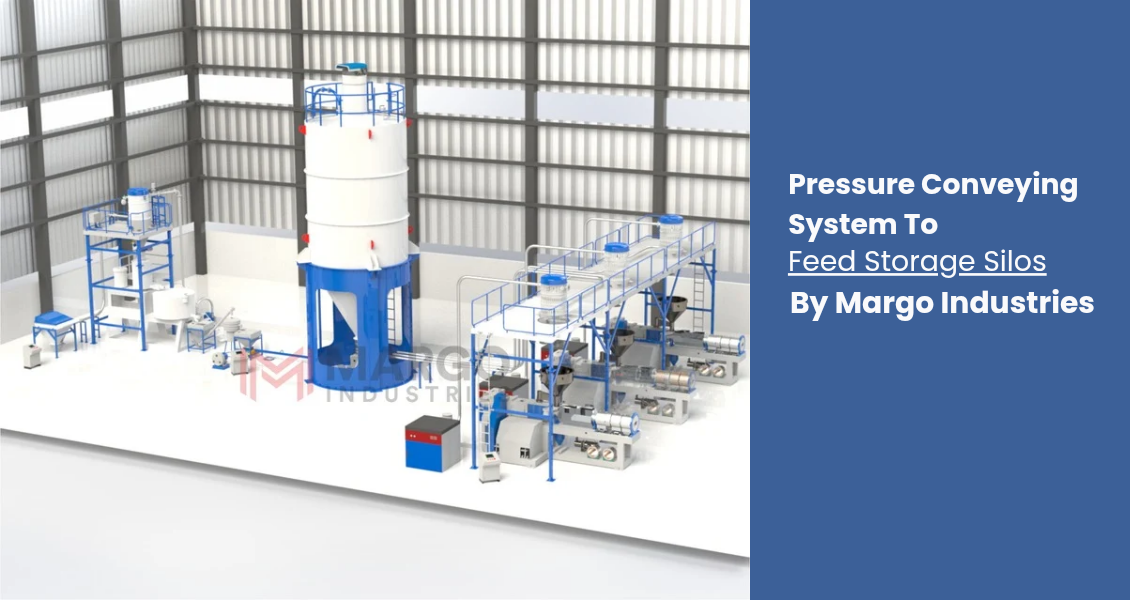
Pressure Conveying System To Feed Storage Silos

Pressure Conveying System to Feed Storage Silos – Efficient and Reliable Material Transfer Solution

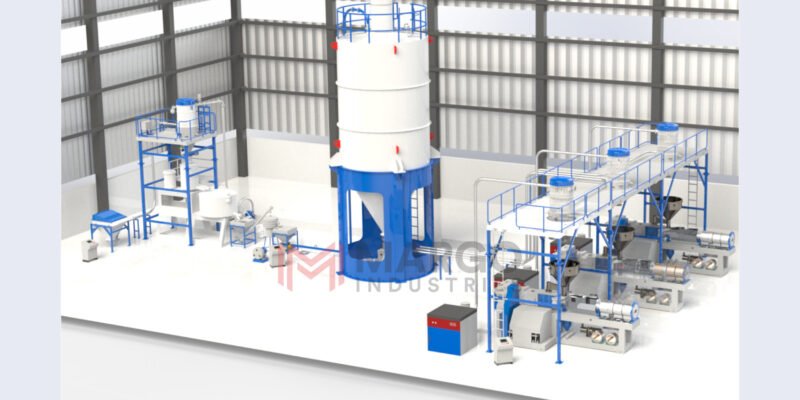
In modern industrial operations, efficient material handling is key to optimizing production workflows. The Pressure Conveying System to feed storage silos offers a cutting-edge solution for transporting bulk materials like powders, granules, and pellets with unmatched reliability and speed. This system uses pressurized air to push materials through sealed pipelines, enabling clean, dust-free, and safe material transfer. Ideal for industries ranging from cement and construction to food, pharmaceuticals, and chemicals, this technology helps businesses improve productivity while maintaining compliance with environmental and safety standards.

What is a Pressure Conveying System?

A Pressure Conveying System is a bulk material handling solution that transports solid materials by applying positive air pressure within a sealed pipeline network. Unlike vacuum conveying systems that pull materials, pressure conveying pushes materials forward using controlled air pressure. This allows for longer conveying distances, higher capacities, and effective handling of heavy, abrasive, or sticky materials. The system consists of a material feeding mechanism, pressure generation equipment (such as compressors or blowers), sealed pipelines, and a discharge unit typically interfacing with storage silos.

Why is Pressure Conveying Important in Bulk Material Handling?

Pressure conveying systems significantly enhance operational efficiency by enabling continuous, high-volume material transfer with minimal human intervention. The enclosed design minimizes dust emissions, which is critical for workplace safety and environmental compliance. Furthermore, pressure conveying preserves the physical integrity of sensitive materials by reducing contamination and degradation risks during transport. Industries relying on bulk solids processing depend on this system to maintain smooth production lines, reduce downtime, and ensure product quality.

Key Features of the Pressure Conveying System

Equipped with industrial-grade compressors or blowers, the system generates consistent air pressure tailored to the material type and conveying distance. Advanced pressure regulators and sensors maintain optimal flow, preventing blockages and ensuring smooth operation.

The entire conveying pipeline is airtight, preventing dust and material leakage. This containment is vital for worker safety, reducing airborne particulates, and adhering to OSHA and EPA standards.

Designed for versatility, the system’s modular components allow customization to fit varying plant sizes and material characteristics. Expansion or integration with other process equipment such as mixers and feeders is straightforward.

Integrated PLC and SCADA systems offer automation, remote monitoring, and diagnostics. Real-time data on pressure, flow rate, and system status enables proactive maintenance and operational efficiency.

How Does the Pressure Conveying System Work?

Materials enter the system through feeders or hoppers that regulate the flow into the pressurized pipeline. Feed rates are precisely controlled to match production requirements.

Pressurized air pushes the material through a network of pipelines designed to prevent clogging and abrasion. The pipelines use corrosion-resistant materials and smooth internal surfaces to maintain consistent flow.

At the receiving end, materials enter storage silos via airlocks or rotary valves that maintain pressure integrity and prevent backflow. Level sensors monitor silo content to optimize inventory management.

Applications Across Industries

  • Cement and Construction: Transfers cement, fly ash, and other powders efficiently to silos.
  • Food and Beverage: Handles flour, sugar, and spices in compliance with hygiene standards.
  • Pharmaceutical and Chemicals: Safely conveys sensitive and hazardous powders with contamination control.
  • Plastics and Polymers: Moves pellets and additives reliably to extrusion and compounding units.

Technical Specifications

  • Pressure Range: Typically from 0.5 to 2.0 bar, adjustable based on material and distance.
  • Capacity: Handles 100 kg/hr up to 5000+ kg/hr, scalable for different production sizes.
  • Construction Materials: Stainless steel (SS304/SS316), carbon steel with protective coatings.
  • Control Systems: PLC-based automation with safety interlocks and remote diagnostics.

Benefits of Our Pressure Conveying System

  • Increased Throughput: Reduces cycle times and bottlenecks with continuous material transfer.
  • Enhanced Safety: Dust containment protects workers and meets regulatory requirements.
  • Low Maintenance: Durable components and modular design minimize downtime.
  • Scalable and Flexible: Easily adjustable to meet evolving production demands.

Why Choose Us?

  • Extensive Industry Experience: Over 50 years delivering tailored bulk handling solutions.
  • Certified Quality: Compliance with CE, ISO, GMP, and other international standards.
  • Dedicated Support: Comprehensive services including installation, training, and maintenance.
  • Cutting-Edge Automation: Integration with IoT, SCADA, and remote monitoring platforms.

Automation and Integration Capabilities

Our system seamlessly integrates with your plant automation via PLC and SCADA, allowing real-time control and analytics. Remote diagnostics enable predictive maintenance, reducing unexpected breakdowns and saving costs.

Customization Options

  • Custom hopper sizes and feed mechanisms tailored to your materials.
  • Special designs for hazardous, abrasive, or sensitive substances.
  • Multi-silo feeding with central pressure source and programmable sequencing.

Certifications and Compliance

We ensure full adherence to global industry standards, including CE marking, ISO certification, FDA compliance for food/pharma, and ATEX for explosive atmospheres. Our systems prioritize environmental responsibility with noise and dust control features.

Frequently Asked Questions (FAQs)

Q1: What materials are compatible?
A: Powders, granules, pellets, abrasive or sticky materials across various industries.

Q2: How does the system control dust?
A: Fully sealed pipelines and filtration prevent dust leakage, protecting the environment.

Q3: Is automation included?
A: Yes, full PLC/SCADA integration supports remote control and monitoring.

Q4: What maintenance is needed?
A: Routine inspections; designed for easy access and low downtime.

Q5: Can it handle hazardous materials?
A: Yes, with ATEX-certified and specialized designs.

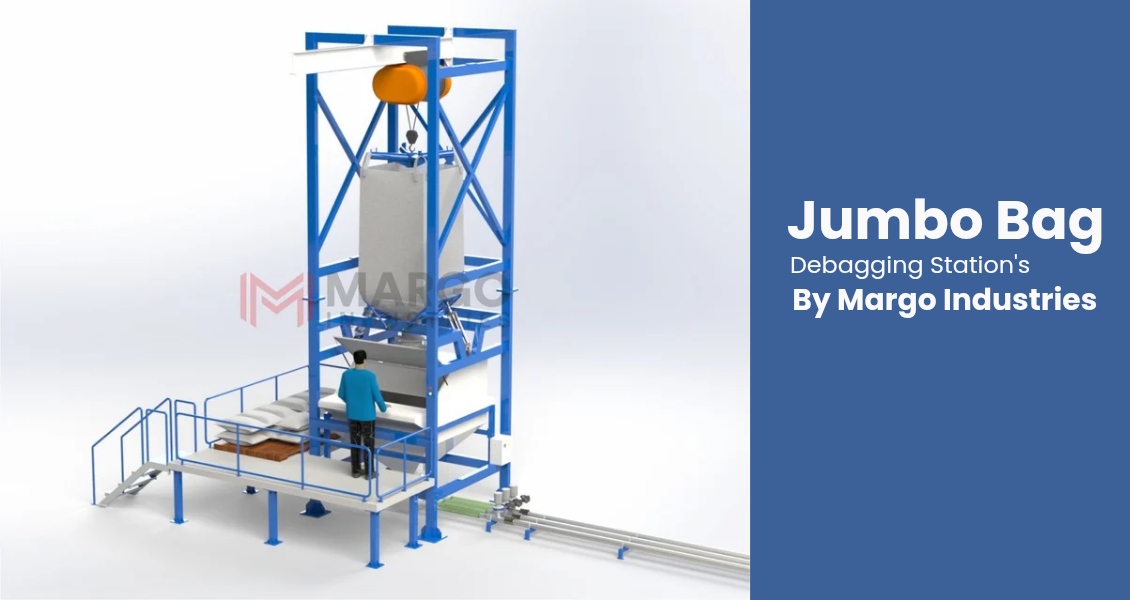
Jumbo Bag Debagging Station

Jumbo Bag Debagging Station : Clean, Efficient, Dust‑Free Industrial Unloading for Bulk Materials

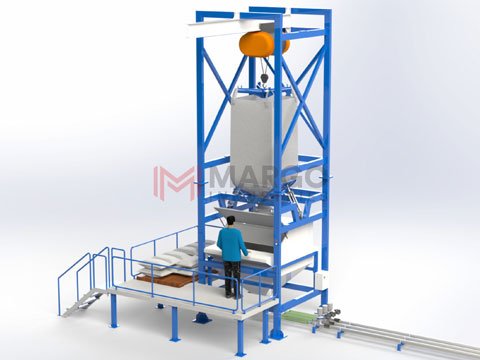
A Jumbo Bag Debagging Station, also known as a Bulk Bag Unloader or FIBC Discharger, is a purpose-built industrial system used for unloading bulk materials from large flexible intermediate bulk containers (FIBCs), commonly referred to as jumbo bags. These bags typically contain 500 to 1500 kilograms of powder, granules, or other dry bulk materials.

The station is designed to:

  • Safely lift and suspend jumbo bags using a hoist, crane, or forklift,
  • Allow controlled bag opening with minimal manual effort,
  • Enable dust-free and efficient discharge of material into downstream systems such as conveyors, hoppers, silos, or feeders.

It offers complete control over the flow of material while reducing manual handling, spillage, and dust contamination.

In modern processing plants, speed, safety, hygiene, and efficiency are essential. Traditional or manual bag unloading methods often lead to:

  • Operator strain or injuries due to heavy lifting
  • Spillage of expensive or hazardous materials
  • Inhalation risks from airborne dust
  • Unclean or inconsistent feeding into production systems
  • Incomplete bag emptying, leading to raw material loss

The Jumbo Bag Debagging Station addresses these issues by providing:

  • Ergonomic, hands-free unloading
  • Dust extraction systems for clean operation
  • Mechanical or pneumatic flow aids for difficult materials
  • Automation-friendly design for integration with modern control systems

Thus, this system plays a key role in maintaining productivity, material accuracy, operator safety, and regulatory compliance.

Industries That Commonly Use Jumbo Bag Debagging Stations

Due to its versatility, hygiene, and ability to handle a wide variety of powders and granules, this station is used in numerous industrial applications, such as:

  • Plastic & Polymer Industry For unloading PVC resin, calcium carbonate, talc, color masterbatch, and additives used in extrusion or injection molding.
  • Chemical Industry For handling silica, starch, carbon black, pigments, and dry chemical intermediates.
  • Pharmaceutical Industry Where hygienic, contained transfer of active pharmaceutical ingredients (APIs) and excipients is required.
  • Food & Beverage Industry For ingredients like flour, sugar, cocoa powder, spices, and nutrition blends.
  • Minerals, Cement & Construction For unloading bentonite, fly ash, lime powder, or cement additives.
  • Rubber & Tyre Manufacturing For discharging carbon black, latex powder, and rubber fillers.
  • Agrochemicals & Fertilizers Used in handling urea, micronutrients, and bulk pesticide bases.

Each of these industries depends on the Jumbo Bag Debagging Station to maintain efficient, clean, and high-volume production cycles without compromising safety or quality.

In today’s competitive market, choosing the right jumbo bag unloader is critical for efficient bulk material handling. Whether you want to buy jumbo bag unloader or explore the best bulk bag unloading system for sale, partnering with a reliable FIBC discharge station supplier ensures you get top-quality equipment suited to your industry’s needs. Advanced automated big bag discharger solutions and bulk bag discharge equipment offered by a reputed jumbo bag unloading machine manufacturer help streamline your operations with precision. Considering factors like big bag unloader price and after-sales support is essential before making a decision. Leading suppliers in FIBC unloading system India cater to both local and export markets, making bulk bag unloader exporter options readily available for industrial buyers seeking robust industrial big bag discharger units.

These systems find extensive use across industries. In pharmaceutical bulk bag unloading, stringent hygiene and precision are paramount, making food grade big bag discharger systems indispensable for safe handling of materials like APIs and excipients. The chemical industry FIBC unloader sector demands reliable, corrosion-resistant systems to process powders such as talc and silica. Similarly, the plastic resin unloading system supports smooth transfer of CaCO₃, PVC resin, and masterbatch materials without contamination. Handling rubber powder unloading equipment efficiently is critical for tire manufacturing plants processing carbon black and rubber fillers. The mineral processing bag unloader is widely used in lime, fly ash, and bentonite handling, while the cement industry big bag discharger must endure tough environments and heavy-duty usage. Agricultural applications require dependable agricultural bulk bag unloading equipment for fertilizers and grains, and specialized spices unloading system and sugar powder discharge station solutions maintain product integrity in food processing.

Optimizing your plant’s performance requires integrating jumbo bag unloader India products with local support. Companies offering bulk bag unloading system Ahmedabad and FIBC discharge station Gujarat services provide timely installations and maintenance. The role of a reputed big bag unloader manufacturer is vital to supply automated bag unloading equipment that ensures consistent throughput with minimal downtime. Investing in dust-free bulk bag dischargers safeguards your facility against contamination, while modular big bag unloading system designs allow easy scalability. Ergonomic designs such as ergonomic bag unloading station reduce worker fatigue and enhance safety. For hazardous environments, ATEX certified big bag discharger variants ensure compliance with international safety norms. The ability to offer customizable FIBC unloading system solutions tailored to your layout and material handling needs sets industry leaders apart.

Cutting-edge features of modern systems include dust control bulk bag unloader mechanisms and pneumatic bag unloading system aids that promote smooth material flow. The inclusion of vibratory hopper unloader components prevents bridging and rat-holing, ensuring uninterrupted discharge. The use of stainless steel big bag unloader construction improves durability and hygiene, especially for food and pharmaceutical sectors. Heavy industries rely on heavy-duty bulk bag discharger models capable of handling large capacities without compromising safety. Many systems now incorporate automated bag unloading equipment with integrated controls for enhanced operational efficiency.

For buyers searching for the best jumbo bag unloader for pharmaceutical industry, affordability and reliability are paramount. Finding an affordable bulk bag unloading system in India with proven track records from top-rated FIBC discharge station suppliers helps streamline procurement. Food processing units need reliable big bag discharger for food processing with hygienic and dust-free operation. Chemical manufacturers often require customizable bulk bag unloader for chemical plants to handle diverse powders safely. Additionally, ATEX certified big bag discharger for hazardous areas provides peace of mind in explosive atmospheres. Choosing a high capacity jumbo bag unloading system ensures your production lines stay uninterrupted. Focus on ergonomic bag unloading station for worker safety and modular big bag unloading system for easy integration to future-proof your investment. Lastly, dust-free bulk bag discharger for clean environments supports compliance with stringent cleanliness and environmental standards. When looking to buy bulk bag unloader online, it’s important to consider both price and functionality. The bulk bag unloader price in India varies depending on features like dust control and automation. Many manufacturers offer FIBC unloading station for sale with advanced safety features, making them ideal for industrial use. Choosing a trusted industrial jumbo bag unloader supplier ensures reliable performance and after-sales support. For those seeking efficiency, automated big bag unloader manufacturer options provide modern solutions tailored to high-volume operations. Whether you need a bulk bag discharger machine price quote or want to find a big bag unloading equipment supplier near you, several companies offer heavy duty jumbo bag discharger for sale with modular designs. Leading bulk bag unloading system manufacturer India caters to customized requirements including buy FIBC unloading station with dust control for cleaner workplaces. Features like safety interlocks and ergonomic designs make these jumbo bag unloader with safety features a smart investment. Many providers also offer modular jumbo bag unloading system for sale with options for export. If you’re searching for big bag unloader exporters from India, be sure to check their automation and durability credentials. With options like FIBC discharge station with automation and competitive industrial bulk bag unloader price quote, buyers get high value and efficiency in one package.

Core Purpose & Problem Solved

Manual handling of jumbo bags presents multiple challenges that can negatively impact safety, productivity, and product quality. These massive bags often weigh between 500 to 1500 kilograms, making them difficult and hazardous to manage without specialized equipment.

  • Heavy lifting risks: Operators manually lifting or shifting bags face increased chances of musculoskeletal injuries and fatigue.
  • Inconsistent discharge: Manual cutting or slitting of bags often leads to uncontrolled release of material, causing spillage and wastage.
  • Material bridging and blockages: Powders or granules tend to stick inside bags or form bridges, requiring manual intervention and slowing down operations.
  • Uncontrolled dust emissions: Opening bags without proper containment releases dust particles into the work environment, leading to health hazards and contamination risks.
  • Variable material flow: Without flow-assist devices, material discharge can be uneven, disrupting downstream processing.

The bulk handling of powders and granules requires strict adherence to safety and environmental standards:

  • Operator safety is paramount, as heavy bags and airborne dust pose significant risks. Traditional manual unloading increases chances of accidents, slips, and inhalation of harmful particulates.
  • Dust control is critical to meet regulatory compliance and maintain clean production areas. Excess dust can cause respiratory problems for workers and create fire or explosion hazards.
  • Material loss through spillage or incomplete emptying of bags results in costly waste, affecting the overall profitability of the operation.

A properly designed jumbo bag debagging station integrates safety features, dust containment systems, and controlled discharge mechanisms to mitigate these risks comprehensively.

Modern industrial processes demand high levels of operational efficiency, cleanliness, and automation:

  • Efficiency: Quick, smooth unloading of jumbo bags reduces downtime and increases throughput, allowing facilities to meet tight production schedules.
  • Hygiene: Many industries, especially food, pharmaceutical, and chemicals, require hygienic handling conditions to prevent contamination and preserve product integrity. Dust-tight and cleanable stations fulfill this need.
  • Automation: Integration with plant control systems enables real-time monitoring, error detection, and synchronization with downstream equipment. This reduces manual intervention and human error while optimizing overall process control.

By addressing these factors, the jumbo bag debagging station plays a pivotal role in modernizing bulk material handling, ensuring safety, quality, and productivity across various industries.

Design Overview & Working Principle

The Jumbo Bag Debagging Station is meticulously engineered with three primary components to ensure safe, efficient, and dust-free unloading of bulk materials:

  • Frame :
    A robust, heavy-duty steel structure forms the backbone of the system. The frame is designed to securely hold jumbo bags weighing up to 1500 kg. It can be fabricated from mild steel (MS) or stainless steel (SS) depending on application requirements, ensuring durability and corrosion resistance.
  • Hopper :
    The hopper is typically conical or funnel-shaped, located beneath the suspended bag to collect and direct material flow. Its smooth inner surface minimizes material buildup and promotes consistent discharge. The hopper outlet interfaces with downstream conveyors, feeders, or silos.
  • Bag Lifting System :
    To safely suspend the jumbo bag, the station includes a lifting mechanism which can be manual or motorized. Options include hoists, cranes, or forklift pockets integrated into the frame. This system securely holds the bag by its lifting loops and maintains stable positioning during the unloading process.

The working principle is simple yet highly effective:

  1. Bag Suspension :
    The jumbo bag is first lifted using the hoist, crane, or forklift and attached to the debagging station frame by its lifting loops.
  2. Bag Securing and Opening :
    The bag’s discharge spout or bottom is carefully secured and sealed using clamping systems or bag liners to prevent dust escape. The bag may be slit open manually or by automated cutters depending on the model.
  3. Material Discharge :
    Gravity causes the bulk material to flow down into the hopper. Flow aids such as vibrators, pneumatic massagers, or mechanical agitators may be employed to prevent bridging and ensure smooth flow.
  4. Controlled Outflow :
    Material exits the hopper through the outlet, feeding into connected downstream equipment (e.g., screw conveyors, vacuum conveyors, or process hoppers) for further processing.

To maximize operational flexibility, the Jumbo Bag Debagging Station is designed to accommodate various lifting and handling equipment:

  • Overhead Crane or Hoist :
    Suitable for facilities with overhead lifting infrastructure. The station includes hooks or lifting points compatible with hoists for secure bag handling.
  • Forklift-Compatible Frame :
    Many models include forklift pockets integrated into the frame’s base, allowing easy transport and positioning without the need for overhead lifting.
  • Manual or Motorized Hoist Options :
    Depending on site requirements, the station can be equipped with a manual chain hoist or a motorized winch for effortless bag lifting and lowering.

This versatility ensures seamless integration into diverse plant layouts and handling workflows.

Key Features & Subsystems

The Jumbo Bag Debagging Station offers versatile options for lifting and loading bags, designed to prioritize safety and ease of operation:

  • Manual vs Motorized Hoist Options :
    Depending on operational needs, the station can be equipped with a manual chain hoist for cost-effective, simple lifting or a motorized hoist for effortless, faster bag handling and precise positioning.
  • Forklift-Compatible Frame :
    Many models feature integrated forklift pockets, enabling operators to transport and position the entire debagging station easily within the plant, enhancing flexibility and reducing setup time.
  • Safety Locking Features :
    The lifting system includes secure locking mechanisms to prevent accidental bag release or slipping during operation, ensuring operator safety and preventing damage to materials or equipment.

Efficient and clean bag opening is critical to maintain material integrity and workplace hygiene:

  • Slitting Knife or Manual Spout Untying :
    Operators can either use a built-in slitting knife for quick, clean cutting of bag tops/spouts or manually untie the discharge spout when delicate handling is required.
  • Liner Clamping Mechanism :
    For bags with liners, the station incorporates adjustable clamps that firmly hold the liner in place during discharge, preventing contamination and controlling dust release.
  • Contained, Controlled Discharge :
    The design ensures that the bag material flows directly into the hopper with minimal dust escape, maintaining a clean environment and reducing material loss.

The hopper plays a vital role in material handling efficiency:

  • Conical Design for Smooth Flow :
    The hopper’s tapered, conical shape ensures gravity-assisted material flow, preventing blockages and encouraging complete emptying of the bag contents.
  • Lined or Polished Surfaces to Reduce Buildup :
    Internal hopper surfaces are either lined with wear-resistant materials or polished stainless steel to minimize adhesion, reducing cleaning frequency and preventing cross-contamination.
  • Dust-Proof Construction :
    The hopper features sealed joints and dust containment design to prevent airborne particles from escaping during unloading.

Certain bulk materials require mechanical assistance to maintain flowability:

  • Vibrators and Pneumatic Massagers :
    Installed vibrators or pneumatic pulse devices gently agitate the hopper walls to dislodge sticky or cohesive powders, promoting continuous flow.
  • Mechanical Agitators for Cohesive Powders :
    For materials prone to forming bridges or rat-holes, mechanical agitators break up compacted material to ensure consistent discharge.
  • Avoiding Bridging and Rat-Holing :
    These flow-assist technologies drastically reduce common flow problems, increasing operational uptime and reducing manual intervention.

Dust control is a critical feature to protect workers and maintain product integrity:

  • Reverse-Jet Dust Collector :
    High-efficiency dust collectors use reverse-jet pulse cleaning technology to keep filter media clean and maintain continuous airflow.
  • Cartridge/Bag Filters :
    Durable cartridge or bag filters capture fine dust particles at the source, preventing contamination and improving air quality.
  • Suction Hood and Containment :
    The debagging station includes a suction hood around the bag discharge area, effectively capturing airborne dust before it escapes into the facility.

Modern debagging stations can be integrated with advanced control systems to optimize performance:

  • PLC/SCADA Compatibility :
    Programmable Logic Controllers (PLC) allow seamless integration with plant-wide Supervisory Control and Data Acquisition (SCADA) systems for centralized monitoring and control.
  • Load Sensors, Alarms, and Interlocks :
    Sensors detect bag weight and flow status, triggering alarms or interlocks to prevent overloading, blockages, or unsafe conditions.
  • Integration with Screw Feeders and Vacuum Conveyors :
    The station can be connected to downstream conveying equipment, enabling automated, continuous material transfer with minimal manual handling.

Technical Specifications

Parameter Details / Options
Capacity 500 kg to 1500 kg jumbo bags
Material of Construction Mild Steel (MS), Stainless Steel 304 (SS304), Stainless Steel 316 (SS316)
Hopper Size Customizable based on application; typical volume ranges from 0.5 m³ to 2 m³
Discharge Outlet Flanged or spigot type; diameter customizable (typically 150 mm – 400 mm)
Dust Filter Specifications Reverse-jet pulse dust collector; Cartridge or bag filters with 99.9% filtration efficiency
Electrical Standards IP65 rated enclosures; Explosion-proof (Exd) options available for hazardous zones
Customization Options Frame dimensions, lifting systems, flow aids, automation interfaces, dust containment tailored to client requirements

Industry Applications

The Jumbo Bag Debagging Station plays a crucial role in the plastics manufacturing sector by enabling efficient and dust-free unloading of essential raw materials such as:

  • Calcium Carbonate (CaCO₃) : Used as a filler to enhance strength and durability of plastic products.
  • PVC Resin : The base polymer in PVC products requiring clean handling to prevent contamination.
  • Masterbatch : Concentrated additives and colorants ensuring consistent quality and coloration.

This station ensures minimal dust emission and precise material flow, which is vital for maintaining the high standards of plastic production.

In chemical and pharmaceutical industries, where hygiene and precision are critical, the Jumbo Bag Debagging Station is widely adopted for handling:

  • Talc : Used as a filler and anti-caking agent in various chemical formulations.
  • Silica : Essential for manufacturing adhesives, sealants, and pharmaceutical excipients.
  • Starch : Commonly used as a binder and filler in pharmaceuticals.
  • Active Pharmaceutical Ingredients (APIs) : Sensitive materials that demand dust-tight, contamination-free transfer.

The system’s dust containment and clean operation safeguards worker health and ensures product purity.

Food safety standards require stringent control of contaminants and hygienic processing environments. The station efficiently unloads:

  • Sugar : Bulk ingredient for confectionery and beverages.
  • Flour : Primary raw material in baking and food production.
  • Spices : Delicate materials needing contamination-free handling.

Its dust-tight construction and easy cleaning features make it ideal for the food industry, maintaining product quality and compliance with food safety regulations.

The heavy-duty design and dust control capabilities make this station perfect for the mineral and cement sectors, handling materials such as:

  • Lime : Used in cement and construction materials.
  • Fly Ash : A by-product used as a supplementary cementitious material.
  • Bentonite : Used as a binder and sealant in various applications.

This ensures reliable, dust-free unloading even in tough industrial conditions, minimizing environmental impact.

Rubber and tyre manufacturers rely on the Jumbo Bag Debagging Station for unloading materials critical to product performance:

  • Carbon Black : A reinforcing filler improving strength and durability.
  • Rubber Fillers : Various additives that enhance physical properties of rubber products.

With precise control over material discharge, the station helps maintain consistent quality and reduces raw material waste.

Benefits & Advantages

  • Fast Bag Turnover :
    The Jumbo Bag Debagging Station enables rapid unloading and replacement of jumbo bags, drastically reducing downtime and boosting overall plant throughput.
  • Minimal Operator Fatigue :
    With motorized hoists and ergonomic design, the system minimizes manual effort, helping operators work comfortably and safely throughout their shifts.
  • Dust-Free Discharge :
    Advanced dust containment features ensure that materials are unloaded in a clean and safe environment, protecting both workers and products from contamination.
  • Cleanroom Compliant (Optional) :
    Custom configurations are available for pharmaceutical and food industries, ensuring compliance with strict cleanroom standards for hygiene and product safety.
  • Near 100% Bag Emptying :
    The conical hopper design combined with flow aids guarantees almost complete evacuation of materials, maximizing resource utilization.
  • No Bridging or Wastage :
    Mechanical agitators and vibrators prevent bridging and rat-holing, ensuring continuous flow and eliminating material loss.
  • Modular Design :
    The system can be easily scaled and customized to fit different plant sizes and operational requirements, offering maximum flexibility.
  • Mobile, Fixed, or Skid-Mounted :
    Various mounting options allow deployment in diverse industrial settings—from portable units for flexible operations to fixed stations integrated into production lines.
  • Reduced Labour Cost :
    Automation and ergonomic design reduce the need for manual handling, lowering labor costs and increasing workforce productivity.
  • Less Material Loss :
    Controlled discharge and dust containment minimize spillage and waste, resulting in significant cost savings on raw materials.
  • Lower Maintenance :
    Durable construction and easy-to-clean surfaces ensure minimal downtime and maintenance expenses, contributing to long-term operational savings.

Safety & Compliance

The Jumbo Bag Debagging Station is designed with multiple safety mechanisms to protect operators during the unloading process:

  • Secure Bag Holding & Locking : Prevents accidental slipping or dropping of heavy bags.
  • Ergonomic Controls : Easy-to-use hoists and manual systems reduce physical strain.
  • Guarding & Safety Shields : Protect operators from moving parts and dust exposure.
  • Emergency Stop Buttons : Easily accessible emergency stops ensure immediate shutdown in case of hazards.
  • The station complies with stringent dust control standards to ensure workplace safety and environmental responsibility.
  • OSHA (Occupational Safety and Health Administration) guidelines for dust exposure are met or exceeded.
  • Optional configurations are available for ATEX (Atmosphères Explosibles) compliance in hazardous environments, reducing the risk of dust explosions.

For industries handling combustible dust or operating in hazardous zones, flameproof versions of the debagging station are available:

  • Certified explosion-proof electrical components prevent ignition sources.
  • Robust enclosure designs reduce risk of sparks and fire.
  • Compliance with international safety standards for explosive atmospheres ensures safe operation in challenging conditions.
  • Integrated interlocks prevent operation unless all safety guards and doors are securely closed.
  • Emergency stop buttons positioned at strategic points allow operators to halt the process instantly.
  • These safety features help prevent accidents, ensuring a secure working environment.

Installation & Maintenance

The Jumbo Bag Debagging Station is carefully packaged and shipped to ensure safe delivery without damage. Depending on the size and customization, it is delivered either as a:

  • Fully assembled unit for quick installation, or
  • Modular components for easier transport and on-site assembly.

All parts are clearly labeled, and packaging materials protect critical components during transit.

To ensure smooth commissioning, professional installation support is provided:

  • Skilled technicians assist with the assembly, alignment, and integration of the station at your facility.
  • Calibration of flow aids, hoisting mechanisms, and dust control systems is carried out on-site for optimal performance.
  • Training is provided to operators and maintenance staff to familiarize them with safe and efficient use.

Each station is supplied with a comprehensive Operation & Maintenance Manual, including:

  • Detailed Standard Operating Procedures (SOPs) for daily use, cleaning, and troubleshooting.
  • Preventive maintenance schedules and checklists to maximize equipment lifespan.
  • Safety guidelines to protect operators and maintain compliance with regulations.

This documentation empowers your team to operate the system efficiently and safely.

To ensure uninterrupted performance and longevity, optional Annual Maintenance Contracts (AMC) are available:

  • Regular preventive maintenance visits by trained engineers.
  • Priority support for breakdowns and repairs.
  • Replacement of wear parts and filter elements as needed.
  • Performance audits and system upgrades to keep the station operating at peak efficiency.

With AMC, you minimize downtime, reduce unexpected repair costs, and extend the life of your investment.

Why Choose Margo Industries?

Extensive Industry Expertise

With over 50 years of experience, Margo Industries has established itself as a leader in bulk material handling solutions. Our deep understanding of industry needs enables us to deliver reliable, high-performance equipment tailored to exact customer requirements.

Proven Track Record

We have successfully installed more than 250 Jumbo Bag Debagging Stations across various industries, demonstrating our capability to handle complex applications with precision and durability.

Custom Engineering Approach

At Margo Industries, every product is engineered to meet your unique operational challenges. Our custom design solutions ensure optimal integration, efficiency, and compliance with industry standards.

Trusted by OEMs and Factories Across India

Our reputation is built on trust and performance. We are the preferred partner for numerous Original Equipment Manufacturers (OEMs) and industrial plants nationwide, providing dependable solutions that boost productivity and safety.

Frequently Asked Questions (FAQs)

A : Yes, the station is equipped with flow aids such as vibrators, pneumatic massagers, and mechanical agitators designed specifically to prevent bridging and rat-holing, making it suitable for handling sticky and cohesive powders efficiently.

A : Throughput varies based on the material and system configuration but typically ranges from 500 kg to 1500 kg per bag, with fast bag changeover times enabling high-volume processing.

A : Yes, food-grade and cleanroom-compliant options are available, featuring stainless steel construction and hygienic designs that meet stringent food safety standards.

A : Absolutely. The station can be integrated with screw feeders, vacuum conveyors, or other downstream equipment for seamless, automated material transfer.

A : Yes, Margo Industries offers extensive customization options, including frame dimensions, hoisting mechanisms, dust control systems, and automation interfaces to suit your exact requirements.

Conclusion

The Jumbo Bag Debagging Station from Margo Industries is the ultimate solution for efficient, safe, and clean unloading of bulk materials. Its advanced features—including dust control, ergonomic design, and automation compatibility—ensure near-complete material discharge with minimal operator effort.

Ideal for industries such as plastics, pharmaceuticals, food processing, minerals, and rubber manufacturing, this station enhances operational efficiency while maintaining high standards of hygiene and safety.

Ready to transform your bulk material handling process? Get a personalized quote or book a live demo today to experience the benefits firsthand!