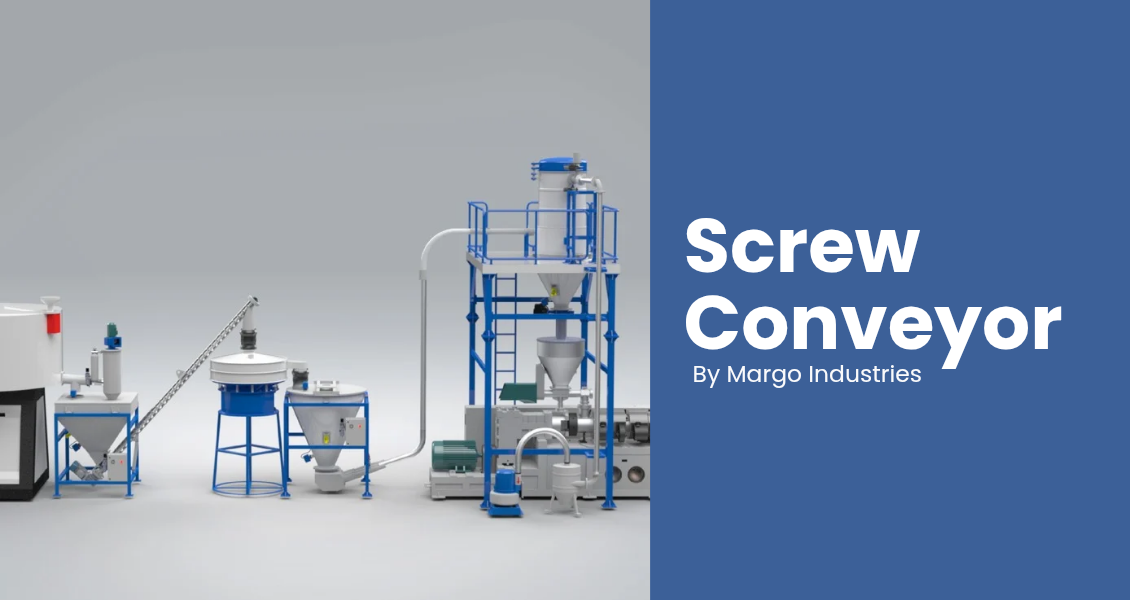
Screw Conveyor

screw-conveyor-1

Screw Conveyor – High-Efficiency Material Handling Solution

Overview of Screw Conveyor

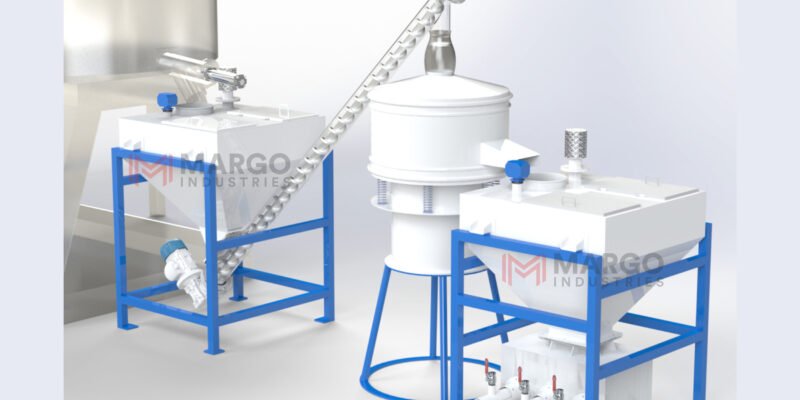
A Screw Conveyor, also known as an Auger Conveyor, is a mechanical device used to transport bulk materials—such as powders, granules, flakes, and semi-solid substances—from one process point to another. It consists of a helically-shaped screw blade (or “flighting”) that rotates inside a tube or trough to move material forward.

These conveyors are especially ideal for continuous, enclosed, and dust-free material transfer, making them highly suitable for automated production environments.

Whether installed in horizontal, inclined, or vertical orientations, screw conveyors are known for their:

  • Compact design
  • High efficiency
  • Low maintenance
  • Controlled discharge

The working principle of a screw conveyor is simple yet highly effective:

  • A motor drives the rotation of a shaft-mounted screw inside a trough or tube.
  • As the screw rotates, the material is pushed forward due to the helical geometry of the blade.
  • The material enters through the inlet hopper, moves along the screw channel, and exits through the discharge point.

You can adjust the screw speed, change the pitch, or modify the angle to control the material flow. Advanced models even offer:

  • Reversible rotation for bidirectional flow
  • Variable frequency drives (VFDs) for flexible speed control
  • Jacketed systems for heating or cooling during transfer

This makes it suitable for processes that need precise feeding, accurate batching, or controlled mixing.

Screw conveyors are used in a wide range of industries that require reliable, clean, and consistent bulk material movement. Below are some of the most prominent sectors that benefit from this system:

Plastics & Polymers

  • Material conveyed: Plastic granules, resin pellets, polymer powders, additives
  • Use cases: Feeding extruders, mixers, or dryers with a steady flow of materials
  • Benefits: Reduced spillage, consistent feed rate, and dust-free handling

Pharmaceuticals

  • Material conveyed: API powders, excipients, active ingredients, capsules
  • Use cases: Sterile material transfer in cleanroom conditions
  • Benefits: GMP-compliant, sealed conveying to avoid contamination, and easy-to-clean designs

Food & Beverage

  • Material conveyed: Flour, sugar, coffee powder, spices, protein blends, cocoa
  • Use cases: Feeding mixers, blenders, packaging lines
  • Benefits: Hygienic stainless steel construction, smooth flow, no residue, and compliance with food safety standards

Chemicals

  • Material conveyed: Hazardous powders, catalysts, pigments, fine chemicals
  • Use cases: Conveying corrosive or reactive materials in a controlled environment
  • Benefits: Sealed construction, explosion-proof options, and anti-corrosive materials

PVC, Rubber & Elastomers

  • Material conveyed: PVC resin, rubber granules, elastomeric compounds
  • Use cases: Feeding into mixers or calendering equipment
  • Benefits: High torque handling, abrasion-resistant screws, and low maintenance operation

Key Features & Benefits of Screw Conveyor

Screw conveyors are fabricated using high-quality materials such as stainless steel, carbon steel, or alloy steel, which provide exceptional strength and durability. This robust construction ensures the conveyor withstands harsh operating conditions, including abrasive and corrosive materials. The heavy-duty design minimizes wear and tear, extending the equipment’s lifespan and reducing the frequency of repairs and replacements. This results in lower downtime and cost-effective operations for your business.

The design of screw conveyors is highly flexible, making them suitable for handling a wide range of materials such as powders, granules, pellets, flakes, and even semi-solid substances. Parameters like screw diameter, pitch, speed, and trough design can be customized to match the specific characteristics of the material being transported. This versatility allows screw conveyors to serve diverse industries effectively, providing optimized performance whether handling light or heavy bulk materials.

One of the critical advantages of screw conveyors is their enclosed design, which prevents dust leakage and material spillage during transportation. This dust-free operation is essential in industries with stringent hygiene and safety requirements such as pharmaceuticals, food processing, and chemicals. Enclosed conveyors help maintain clean work environments, reduce contamination risks, and comply with regulatory standards. Additionally, the smooth internal surfaces and accessible design facilitate easy cleaning and maintenance, ensuring operational hygiene.

Screw conveyors are engineered to be compact and space-efficient, requiring minimal floor area for installation. Their modular design allows easy customization of conveyor length, orientation, and components to fit into tight or complex plant layouts. Whether configured horizontally, inclined, or vertically, the conveyor can be adapted to optimize material flow paths without demanding excessive space. This flexibility makes screw conveyors ideal for integrating into existing systems or new production lines.

Thanks to their simple mechanical principle and fewer moving parts, screw conveyors operate with high energy efficiency compared to alternative conveying systems. The minimal power consumption reduces operational costs significantly over time. Furthermore, the robust design and easily accessible components mean less frequent maintenance is needed. Routine inspection, lubrication, and part replacement are straightforward, enhancing equipment reliability and uptime.

Screw conveyors are uniquely capable of transferring materials in horizontal, inclined (up to 45 degrees or more depending on material), and vertical positions. This adaptability enables efficient movement of bulk materials even in plants with spatial constraints or complex layouts. The screw conveyor’s ability to work at multiple angles increases installation options and process flexibility, ensuring smooth material flow without degradation or blockages regardless of conveyor orientation.

Types of Screw Conveyors We Offer

Horizontal screw conveyors are the most common type, designed to move materials in a straight, level path. They are ideal for transporting bulk solids like grains, powders, and pellets over short to medium distances. The horizontal design offers efficient material flow with minimal spillage and dust emission. These conveyors are widely used in industries such as agriculture, food processing, and manufacturing for their simplicity and reliability.

Inclined screw conveyors are designed to transport materials at an angle, typically up to 45 degrees, but some designs can handle steeper inclines. They are perfect for lifting materials from lower to higher levels within a facility. The inclined position allows for smooth material handling without clogging or backflow, making them suitable for applications in cement, chemical, and pharmaceutical industries.

Vertical screw conveyors are used to move materials vertically between different levels of a plant. They are space-saving and efficient solutions for elevating bulk materials in a compact footprint. The vertical conveyor design ensures continuous material flow with minimal degradation, making it ideal for use in food processing, plastics, and chemical industries where floor space is limited.

Shaftless screw conveyors feature a spiral blade without a central shaft, allowing them to handle sticky, viscous, or bulky materials that might clog conventional conveyors. This design is especially beneficial for industries dealing with wastewater treatment, food waste, and biomass. The absence of a shaft reduces maintenance needs and improves the conveyor’s ability to handle difficult materials.

Twin screw conveyors consist of two intermeshing screws rotating in the same or opposite directions. This configuration enhances mixing, conveying, and compaction of materials, providing better control over material flow. Twin screw conveyors are widely used in chemical, pharmaceutical, and food industries where precise handling of materials is critical.

We understand that each industry and application has unique requirements. That’s why we offer custom-engineered screw conveyor solutions tailored to your specific needs. Our expert team works closely with you to design conveyors with customized dimensions, materials, and features to ensure optimal performance, reliability, and integration into your production processes.

Technical Specifications

Our screw conveyors are available in a variety of materials to suit different application requirements and environments. Common options include Mild Steel (MS) for general purposes, and Stainless Steel (SS304/SS316) for applications requiring corrosion resistance, hygienic standards, or chemical resistance. We also offer custom material selections based on your operational needs to ensure durability and compliance with industry standards.

The screw diameter and pitch are critical parameters that determine the conveyor’s capacity and efficiency. We provide a range of sizes tailored to your material characteristics and throughput requirements. Our engineering team carefully selects the optimal diameter and pitch to maximize material flow, reduce power consumption, and minimize wear.

Our conveyors are equipped with robust motors and drive systems designed for reliable performance. We offer various motor options, including AC and DC drives, matched to your power needs and operational conditions. The drive system ensures smooth transmission of power to the screw, enabling consistent material movement even under heavy load.

To provide greater flexibility and efficiency, we integrate speed control options including Variable Frequency Drives (VFDs). VFDs allow precise adjustment of conveyor speed to match the material flow rate, reduce energy consumption, and adapt to changing process requirements. This feature enhances operational control and extends the lifespan of conveyor components.

Our screw conveyors can be customized with various hopper designs and inlet/outlet configurations to suit your specific material handling process. Whether you need wide feed openings, special sealing arrangements, or multiple discharge points, we tailor these features to optimize loading and unloading efficiency, prevent material spillage, and maintain process hygiene.

Safety is paramount in our conveyor designs. We ensure that our products comply with relevant international safety standards such as ATEX for explosive atmospheres and GMP (Good Manufacturing Practices) for hygiene-sensitive industries. Features like emergency stop mechanisms, protective guards, and dust containment systems are integrated to safeguard operators and maintain safe working conditions.

Integration with Your Production Line

Our screw conveyors are engineered to be highly compatible with various types of production equipment, including mixers, feeders, silos, and storage bins. This seamless compatibility ensures a smooth and continuous flow of materials from one process stage to another, minimizing material spillage, reducing handling time, and optimizing overall production efficiency. Whether you are dealing with powders, granules, or bulk solids, our conveyors maintain consistent performance, supporting a wide range of materials without compromising on speed or reliability.

Upgrading your material handling system should not disrupt your ongoing operations. Our screw conveyors are designed with a modular and adaptable construction that allows them to be easily retrofitted into your existing production lines. This means you do not need costly and time-consuming changes to your current setup. The conveyors can be customized to match your existing equipment dimensions and connection points, ensuring minimal downtime during installation. This retrofit capability helps businesses maximize ROI by improving efficiency without significant capital expenditure.

In today’s fast-evolving industrial landscape, automation is key to maintaining competitive advantage. Our screw conveyors come pre-configured for integration with advanced automation systems, including SCADA (Supervisory Control and Data Acquisition) and IoT (Internet of Things) platforms. This feature enables real-time monitoring and control of conveyor operations, providing valuable data insights such as material flow rates, motor status, and maintenance alerts.

By leveraging automation:

  • You can reduce manual intervention and human error.
  • Optimize operational parameters for energy efficiency.
  • Implement predictive maintenance to avoid unexpected breakdowns.
  • Easily connect your conveyor system with the overall plant management system for centralized control.

This automation readiness ensures your production line is future-proof, scalable, and aligned with Industry 4.0 standards.

Why Choose Margo Industries for Screw Conveyors?

With over five decades of industry experience, Margo Industries stands as a trusted name in material handling solutions. Our extensive expertise allows us to design and manufacture high-performance screw conveyors that meet the most demanding industrial requirements. Our deep understanding of engineering principles and practical challenges ensures that every product delivers maximum reliability, durability, and efficiency.

At Margo Industries, we know that every industry has unique material handling needs. That’s why we provide customized screw conveyor solutions tailored specifically to your operational requirements. Whether you operate in pharmaceuticals, food processing, chemicals, or any other sector, our conveyors are designed to optimize material flow, reduce waste, and maintain product integrity based on your exact specifications.

Our commitment to quality begins with our dedicated in-house research and development team, continuously innovating to improve product design and performance. Coupled with our advanced manufacturing facilities, this ensures that every screw conveyor leaving our factory adheres to stringent quality standards. This integrated approach allows us to maintain tight control over every stage—from concept and design to production and quality assurance.

Margo Industries has successfully delivered screw conveyor solutions to a diverse global clientele, spanning multiple industries and geographies. Our proven track record of completed projects demonstrates our ability to handle complex challenges and deliver results that exceed client expectations. This worldwide experience enables us to incorporate best practices and international standards in every product.

Our relationship with customers does not end at delivery. Margo Industries provides comprehensive after-sales support, including installation assistance, preventive maintenance, troubleshooting, and spare parts availability. Our dedicated customer service team ensures your equipment operates smoothly throughout its lifecycle, minimizing downtime and maximizing productivity.

FAQs – Screw Conveyor

For conveying powders, stainless steel (SS304 or SS316) is often the preferred choice due to its excellent corrosion resistance, smooth surface finish, and ease of cleaning—especially important in food, pharmaceutical, and chemical industries. However, mild steel (MS) is also used for non-corrosive powders where cost efficiency is key. The selection depends on the specific material properties, moisture content, and hygiene requirements.

Choosing the correct screw diameter depends on several factors including the type of material, required throughput, conveyor length, and inclination angle. A larger diameter generally allows higher capacity but may require more power. Our engineering team analyzes your process parameters to recommend the optimum diameter that ensures efficient material flow without overloading the motor or causing blockages.

Yes, our screw conveyors are specifically designed to handle abrasive and heavy-duty materials. We use wear-resistant materials and coatings for the screw flights and trough, such as hardened steel or specially treated surfaces, to maximize the lifespan and minimize maintenance. We also offer shaftless screw conveyors for highly abrasive or sticky materials to prevent clogging and improve performance.

No, our screw conveyors are designed for easy maintenance and low downtime. Routine checks include lubrication of bearings, inspection of the screw and trough for wear, and cleaning of inlets and outlets. Modular design allows for quick access and replacement of parts, minimizing operational disruption. Additionally, we provide detailed maintenance manuals and support services to help keep your equipment running smoothly.

Lead time varies based on the complexity of the conveyor, customization requirements, and current order volume. Typically, standard screw conveyors are delivered within 4 to 8 weeks, while custom-engineered solutions may take longer. We work closely with you to provide accurate timelines and ensure on-time delivery to keep your production on schedule.

At Margo Industries, we believe every material handling challenge is unique. Our consultative approach ensures that we understand your specific requirements and design a screw conveyor solution tailored perfectly to your operational needs. From initial assessment to final delivery, our expert engineers collaborate closely with you to optimize performance, efficiency, and reliability.

Get a Free Quote

Reach out today to receive a customized quotation designed for your application.

Schedule a Call with Our Engineers

Book a one-on-one consultation to discuss your project requirements and explore the best options.

Download Technical Datasheet

Access detailed specifications and technical insights to help you make an informed decision.

Corporate Office
 405, 4th Floor, Times Square 1, Opp. Rambaug,
Near Baghban Party Plot, Thaltej, Ahmedabad – 380059, Gujarat, India
Phone: +91 9825003874
Email: sales@margoindustries.com

Manufacturing Plant
 Plot No. 1, Sardar Patel Estate,
Dhamatwan – Vanch Road,
Laxmanpura, Taluka: Daskroi,
Ahmedabad – 382435, Gujarat, India

Related Products You Might Be Interested In

Explore our range of complementary material handling and process automation solutions designed to enhance your production efficiency and accuracy:

Pneumatic Conveying Systems

Efficient and dust-free transfer of bulk materials across distances.
 Learn more

Bulk Bag Unloaders

Safe and ergonomic solutions for unloading large bags with minimal manual effort.
 Learn more

Automatic Weighing Systems

Precision weighing and dosing solutions to ensure accurate batch formulations.
 Learn more

SCADA Monitoring for Conveyors

Advanced SCADA systems for real-time monitoring and control of your conveyor networks.
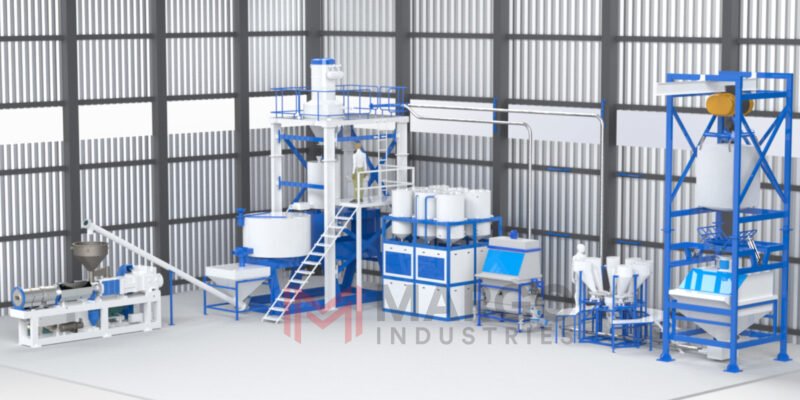
Powder and Liquid Weighing Dosing System

powder-liquid-weighing-dosing-system-1

Powder & Liquid Weighing Dosing System: Revolutionizing Precision Dosing for Industries :

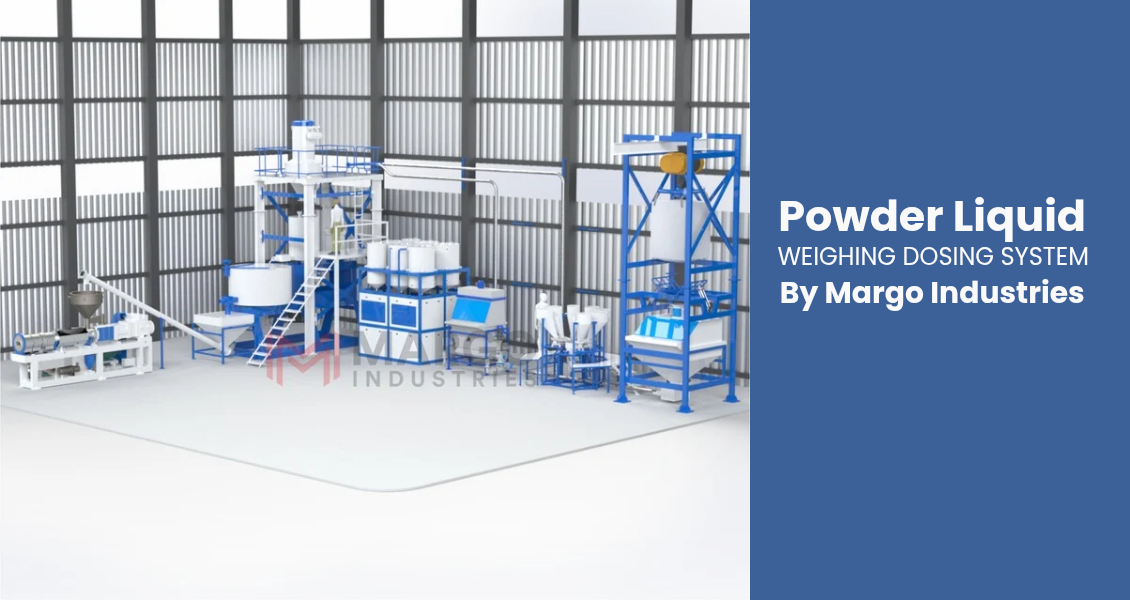
The Powder & Liquid Weighing Dosing System has become an indispensable tool in various industries that require high precision and accuracy for both powder and liquid handling. From pharmaceuticals to food processing and chemical manufacturing, this system ensures optimal productivity, reduced waste, and top-notch quality control. By seamlessly integrating automation, weighing, and dosing processes, it enhances manufacturing efficiency and consistency.

In this comprehensive guide, we will explore everything you need to know about the Powder & Liquid Weighing Dosing System—its components, benefits, working principles, and how it can transform manufacturing processes across various industries.

Introduction to Powder & Liquid Weighing Dosing Systems

What is a Powder & Liquid Weighing Dosing System?

A Powder & Liquid Weighing Dosing System is an advanced automation system designed to accurately measure and dispense predefined quantities of powders and liquids into a process stream. This system is designed to handle the precise weighing, dosing, and dispensing of raw materials such as powders, liquids, pastes, or even granular substances.

The core of the system lies in its ability to precisely measure materials to fractions of a gram (or milliliter for liquids), ensuring high-quality products, reduced waste, and enhanced process efficiency.

How Does the Powder & Liquid Weighing Dosing System Work?

A typical Powder & Liquid Weighing Dosing System follows a series of carefully orchestrated steps to ensure that the materials are handled and dosed accurately:

Materials are first loaded into their respective containers—powders are stored in hoppers, bins, or silos, while liquids are stored in tanks or drums.

  • Powder Feeding: For powders, the system uses mechanisms like vibratory feeders, screw conveyors, or pneumatic conveying systems to ensure a continuous, uniform flow.
  • Liquid Feeding: Liquid pumps or metering devices are used for precise flow control.

Once the materials are prepared for dosing, the system’s weighing platform (equipped with load cells) measures the material weight in real-time.

  • Load Cells: These are extremely sensitive devices that ensure the correct weight is dispensed. They continuously communicate with the PLC (Programmable Logic Controller) to track material weight.
  • Flow Meters: For liquids, flow meters calculate the volume of liquid dispensed, ensuring exact amounts are dosed.

The entire process is controlled via a PLC connected to an HMI (Human-Machine Interface). The PLC stores predefined recipes and communicates with the rest of the system to manage the dosing cycles and adjust for any discrepancies.

  • Real-Time Feedback: The system provides real-time feedback to operators on the progress of dosing, ensuring precise control.
  • Recipe Management: The PLC stores hundreds of dosing recipes, allowing for easy switching between different formulations.

Once the exact quantity of material is dispensed, the system triggers the discharge mechanism. Powders are often transferred via conveyor belts, and liquids are transferred using pumps to the next production stage.

  • Discharge Control: The discharge is controlled automatically to ensure smooth and efficient transfer to the next phase of production.

Key Components of the System

To understand the full potential of the Powder & Liquid Weighing Dosing System, it’s important to break down its key components:

The weighing unit is the backbone of the system, ensuring the accuracy of the dosing process. The system uses load cells to detect any change in weight as the material is dispensed.

  • High Sensitivity: Load cells are capable of measuring minute quantities, ensuring precision.
  • Stability & Durability: They’re designed to withstand high loads and vibrations, making them ideal for industrial environments.

For powders, accurate dosing relies on the type of feeder used. There are three main types of feeders:

  • Vibratory Feeders: These are ideal for powders that need to flow uniformly.
  • Screw Feeders: These are used for powders that are heavier or more cohesive.
  • Vacuum Conveyors: For controlled, dust-free material handling.

For liquids, pumps and flow meters ensure that the correct volume is dispensed:

  • Diaphragm Pumps: Best for viscous liquids or those that need precise flow control.
  • Peristaltic Pumps: Ideal for corrosive or high-viscosity fluids.
  • Gear Pumps: Suitable for precise liquid dosing.

The control system integrates the entire dosing process:

  • PLC: Controls dosing accuracy and synchronizes the actions of all system components.
  • HMI: Provides a user-friendly interface to monitor, adjust, and control the dosing process in real-time.
  • SCADA Integration: The system can integrate with a SCADA system for remote monitoring and control.

Once the material is accurately dosed, it needs to be transferred to the next phase:

  • Conveyors (for powder): Vibrating conveyors or belt conveyors are used to carry dosed powders to the next process.
  • Pneumatic Transfer Systems: For powders, these systems ensure dust-free, efficient transfer.
  • Pumps (for liquids): For liquids, diaphragm pumps or gear pumps are typically used.

Industries Benefiting from Powder & Liquid Weighing Dosing Systems

  • Precise Dosing for Active Ingredients: The pharmaceutical industry requires high accuracy in the dosing of active pharmaceutical ingredients (APIs). The Powder & Liquid Weighing Dosing System ensures that APIs are dispensed with exacting precision, maintaining batch consistency and compliance with regulatory standards such as GMP and FDA.
  • Automatic Recipe Management: With automatic recipe management, manufacturers can quickly switch between formulations, reducing downtime and improving production flexibility.
  • Ingredient Dosing for Consistency: In the food and beverage industry, precise ingredient dosing is crucial to maintaining product consistency. The system ensures that each batch of food or beverage is identical in flavor, texture, and appearance.
  • Compliance with Food Safety Standards: The system helps in adhering to HACCP guidelines, ensuring hygiene during ingredient handling.
  • Chemical Reactions & Mixing: In chemical manufacturing, maintaining accurate ratios between chemicals is essential. The Powder & Liquid Weighing Dosing System ensures that all reactants are dosed with precision, maintaining the correct chemical balance for reactions.
  • Automated Batching: The system automates the entire batching process, reducing human intervention, improving efficiency, and minimizing the risk of contamination.
  • Precision in Polymer Dosing: In the plastics industry, precise dosing of polymer blends is critical to achieving the desired material properties such as flexibility and elasticity.
  • Consistent Additive Mixing: The system ensures that additives such as fillers, stabilizers, and colorants are evenly mixed with the base material.

Advantages of Using Powder & Liquid Weighing Dosing Systems

1. High Precision and Accuracy:

The system provides unparalleled dosing accuracy (up to 0.1g or 0.01ml), ensuring that every batch meets the desired specifications, reducing waste, and improving the consistency of end products.

2. Enhanced Production Efficiency:

Automation minimizes human involvement, which leads to faster production cycles, reduced downtime, and a more streamlined manufacturing process.

3. Cost Savings through Material Optimization:

By minimizing material waste, the system helps manufacturers save on raw materials, contributing to overall cost reduction.

4. Improved Quality Control:

The real-time monitoring feature ensures that any discrepancy in dosing is detected immediately, allowing for prompt correction and ensuring high product quality.

5. Flexibility and Scalability:

These systems are designed to be highly flexible, easily adjustable for varying batch sizes, and scalable for different production volumes, making them suitable for both small-scale and large-scale operations.

6. Compliance with Industry Regulations:

With built-in features that support GMP (Good Manufacturing Practices), FDA guidelines, and ISO standards, the system ensures that manufacturers can meet the highest industry standards for product quality and safety.

The Advantages of Automated Powder and Liquid Dosing Systems for Manufacturing Efficiency

The use of automated dosing systems in manufacturing has revolutionized how industries handle their raw materials, improving production efficiency and ensuring precision dosing. Whether it’s the pharmaceutical, food processing, or chemical manufacturing sectors, Powder and Liquid Dosing Systems have become an essential tool to guarantee consistency, reduce wastage, and maintain high-quality standards.

Powder Dosing Equipment and Liquid Dosing Systems are crucial in industries where precision is a must. For example, in the pharmaceutical industry, a Powder Dosing System ensures the accurate dosage of active ingredients for medicines, adhering to stringent GMP guidelines. These systems are equipped with high-precision dosing systems that deliver exact amounts, which is vital for both pharmaceutical powder handling systems and food and beverage processing automation.

By integrating industrial dosing systems into manufacturing processes, companies can automate material handling, drastically reducing human errors and improving overall throughput. The advanced weighing dosing systems for chemical manufacturing also help optimize material handling automation, ensuring accurate delivery of materials with minimum waste. With real-time monitoring systems and process control automation, operators can track material flows and correct discrepancies in real time, further enhancing production accuracy.

In industries that handle bulk powder and liquid dosing, such as plastic manufacturing dosing systems or rubber industry weighing systems, automated dosing offers several energy-efficient benefits. Eco-friendly dosing systems for sustainable production reduce energy consumption while enhancing dosing precision. These smart dosing systems for improved production accuracy are tailored to suit both small-scale and large-scale production environments.

For manufacturers handling bulk material handling solutions, custom weighing and dosing solutions for manufacturing plants are also available, allowing companies to adjust for varying production needs. Whether it’s batch dosing systems or automated liquid and powder dosing systems for industries, these systems ensure that the right quantity of materials is delivered each time, preventing overuse or shortages, and ensuring cost-effective operations.

The future of powder and liquid dosing systems lies in further integration with SCADA systems for dosing and weighing. This real-time monitoring enables better dosing system calibration and optimizes material usage across all stages of production. With the integration of flow meters for dosing and dosing pumps, manufacturers can ensure that precise dosing solutions are met every single time, maintaining high standards for product quality control.

For industries like chemical processing automation, pharmaceutical dosing systems, or food manufacturing, investing in a precision dosing system allows businesses to remain competitive while meeting rigorous industry standards. The ability to fine-tune dosing solutions ensures that each ingredient dosing step, whether for polymer compounding dosing equipment or chemical dosing solutions, is consistent and error-free.

Moreover, the implementation of these systems makes it easier to comply with regulatory guidelines like FDA standards or ISO certifications, improving overall product safety and consistency.

Future Trends and Innovations in Powder & Liquid Dosing Systems

The future of Powder & Liquid Weighing Dosing Systems is bright, with several key innovations on the horizon:

  • Integration with IoT (Internet of Things): Future systems will likely integrate with IoT for real-time data collection, predictive maintenance, and remote monitoring.
  • AI-Powered Dosing: Artificial Intelligence (AI) can be used to further optimize dosing processes, predicting required adjustments and ensuring smoother operations.
  • Advanced Robotics Integration: As automation increases, robots could play a larger role in material loading, feeding, and transferring materials, further enhancing system efficiency.

Conclusion

The Powder & Liquid Weighing Dosing System is not just a tool—it’s an essential part of modern industrial manufacturing. With its ability to provide precise dosing, automation, and efficiency, it offers businesses in various industries an edge in producing high-quality products while minimizing waste and operational costs.

As technology continues to evolve, these systems will become even more intelligent, efficient, and integrated, ushering in the next wave of industrial innovation.

Why Choose Margo Industries for Your Powder & Liquid Weighing Dosing System?

At Margo Industries, we take pride in being the leading provider of Powder & Liquid Weighing Dosing Systems that promise precision, efficiency, and reliability. Here’s why businesses across the globe trust us for their industrial automation needs:

With over 50 years of experience, Margo Industries has become a pioneer in industrial automation, providing customized solutions for a diverse range of industries. From pharmaceuticals to food processing, we understand the intricate needs of each sector, ensuring our Powder & Liquid Weighing Dosing Systems meet the specific demands of your business operations.

Key Highlights:

  • 50+ years of excellence in automation solutions.
  • Expertise in diverse industries such as Pharmaceuticals, Food Processing, Chemicals, and more.
  • A global presence, trusted by clients worldwide.

At Margo Industries, we believe that one-size-fits-all solutions rarely work in industrial settings. That’s why our Powder & Liquid Weighing Dosing Systems are designed to be customized based on the unique needs of your production environment. Whether you’re dealing with powders, liquids, or even viscous materials, we guarantee optimal performance and maximum precision.

Why Customization Matters:

  • Tailored systems for your industry’s challenges.
  • Scalable solutions that adapt as your business grows.
  • Maximized efficiency with no compromise on product quality.

Our Powder & Liquid Weighing Dosing Systems are designed using state-of-the-art technologies that integrate Artificial Intelligence (AI), IoT (Internet of Things), and advanced SCADA systems. This allows for real-time monitoring, automated decision-making, and optimized operations, all contributing to improved efficiency and cost-effectiveness.

Technological Advancements:

  • Integration of AI for automated decision-making and predictive analysis.
  • IoT-enabled systems for real-time data collection and analytics.
  • Advanced SCADA systems for centralized control, monitoring, and performance tracking.

Accuracy is the cornerstone of any Powder & Liquid Weighing Dosing System. Whether you’re working with critical pharmaceuticals, high-value ingredients, or time-sensitive production cycles, we deliver high-precision systems to ensure your operations run smoothly, consistently, and without errors.

Key Benefits of Accuracy:

  • Zero tolerance for measurement errors.
  • Consistent results with every batch for high-quality production.
  • Reduced waste through precise material handling.

At Margo Industries, we prioritize efficiency. Our Powder & Liquid Weighing Dosing Systems are designed to integrate seamlessly with your existing ERP, SCADA, and PLC systems. This integration ensures smooth operation across your entire production process, eliminating disruptions and improving data synchronization.

Integration Features:

  • No disruption to existing workflows and systems.
  • Real-time data synchronization for continuous performance monitoring.
  • Minimal downtime during system integration and installation.

As industries evolve, so do the challenges related to sustainability. At Margo Industries, we’re committed to designing solutions that not only help you maximize efficiency but also reduce your environmental footprint. Our systems help you save energy, minimize waste, and reduce operational costs—all while contributing to a more sustainable future.

Sustainability Features:

  • Energy-efficient designs to reduce consumption and carbon emissions.
  • Eco-friendly solutions that align with global environmental standards.
  • Minimized waste through precise dosing and resource management.

We believe that our relationship with you doesn’t end at installation. Margo Industries provides comprehensive customer support, including training, system upgrades, and maintenance services to ensure your Powder & Liquid Weighing Dosing Systems are always performing at their peak.

Support Highlights:

  • 24/7 technical support to assist with any issues or concerns.
  • Tailored training sessions to ensure smooth operation.
  • Regular maintenance and system upgrades to optimize performance and longevity.

At Margo Industries, we provide affordable, yet high-quality solutions for Powder & Liquid Weighing Dosing Systems. We understand that every business has its own budget, and we strive to offer cost-effective systems that deliver high return on investment through improved efficiency and reduced operational costs.

Why Choose Us for Competitive Pricing:

  • Affordable solutions without compromising on quality.
  • High ROI through enhanced operational efficiency and reduced waste.
  • Cost savings from minimized energy consumption and material wastage.

Whether you’re upgrading an existing system or implementing an entirely new setup, Margo Industries has the technical expertise to manage even the most complex projects. Our engineers work with you to understand your needs and ensure that your Powder & Liquid Weighing Dosing System is designed and implemented seamlessly.

Project Management Excellence:

  • End-to-end project management from design to installation.
  • Custom engineering that addresses unique project requirements.
  • Timely delivery and on-budget performance.

By choosing Margo Industries, you are not just purchasing a Powder & Liquid Weighing Dosing System—you are investing in a long-term partnership that will help your business achieve excellence through innovative automation solutions, cutting-edge technology, and sustainable practices. Whether you’re looking to optimize productivity, reduce operational costs, or improve product quality, we have the perfect solution for you.

Liquid Dosing And Weighing System

The Importance of Accurate Liquid Dosing in Modern Industry

In today’s industrial landscape, precision in liquid dosing is no longer optional—it is essential. From plastics and chemicals to pharmaceuticals and food processing, industries depend on accurate liquid dosing and weighing systems to ensure consistent product quality, meet regulatory standards, and minimize material waste. Even small deviations in liquid measurement can lead to product rejection, costly rework, or safety hazards, making precision dosing a critical part of any modern production process.

Traditional vs. Automated Liquid Dosing Systems

Traditionally, liquid dosing has been handled manually or through semi-automated setups, which often rely heavily on operator skill and can be prone to error. These systems are not only time-consuming but also lack the consistency required for today’s high-performance production environments.

By contrast, automated liquid dosing systems offer unmatched accuracy, repeatability, and control. Leveraging technologies like PLCs, load cells, and SCADA integration, these systems allow manufacturers to automate batch processing, reduce labor costs, and maintain high production standards.

Why Industries Are Moving Toward Automation

As industries face growing pressure to improve efficiency, maintain quality, and scale operations, the move toward automation has become a strategic priority. Automated dosing systems reduce human error, speed up production cycles, and provide data for process optimization and compliance reporting.

Margo Industries: A Trusted Solution Provider

Margo Industries, with over 50 years of engineering excellence, has established itself as a reliable partner in delivering high-performance liquid dosing and weighing systems. Known for precision, durability, and customization, Margo’s systems are trusted by manufacturers across diverse industries for their reliability and long-term performance.

What is a Liquid Dosing and Weighing System?

Definition and Working Principle

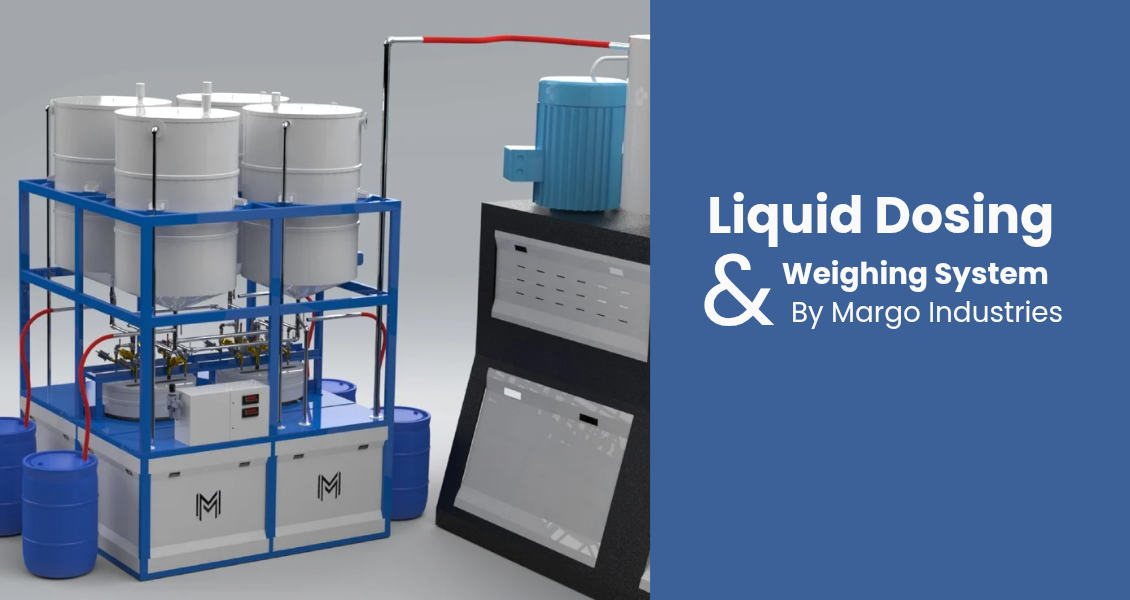
A liquid dosing and weighing system is an industrial automation solution designed to deliver precise quantities of liquids into a process stream or batch operation. These systems are used to ensure accurate formulation, improve production efficiency, and reduce material waste. The working principle involves drawing a specific volume or weight of liquid from a storage source and dosing it into the target container or process, either continuously or in batches, based on predefined parameters.

The system measures the quantity of liquid using load cells or flow meters, with the dosing process controlled via PLCs (Programmable Logic Controllers) or SCADA systems for real-time monitoring and adjustment.

A typical liquid dosing and weighing system includes:

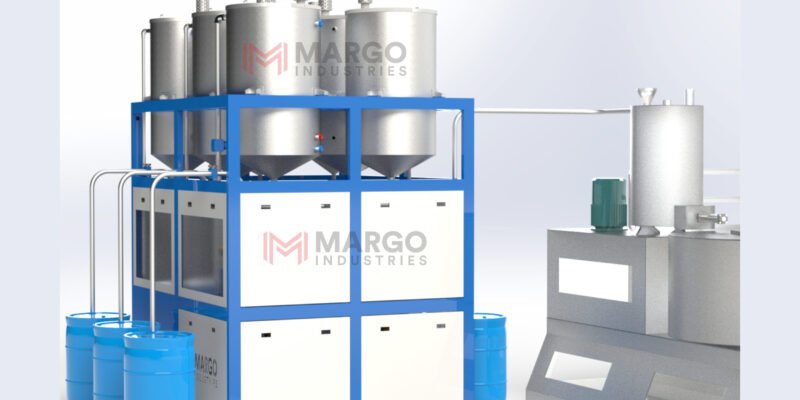
  • Storage Tank – Holds the liquid before dosing
  • Dosing Pump – Transfers liquid from the tank to the processing point
  • Load Cell or Flow Meter – Measures weight or volume accurately
  • Control Panel/PLC – Automates and controls the dosing cycle
  • Valves and Piping – Direct and regulate liquid flow
  • Level Sensors and Safety Alarms – Monitor system status and prevent overflows or errors
  • Volumetric Dosing : Measures liquid based on volume (liters or milliliters), typically using flow meters. It’s faster but less accurate if liquid density varies.
  • Gravimetric Dosing : Measures based on weight (kilograms or grams) using load cells. It offers superior precision, especially for critical formulations.

Modern dosing systems integrate seamlessly with PLC and SCADA platforms, enabling full automation, data logging, recipe management, and real-time process control. This integration allows industries to maintain consistent quality, reduce operator dependency, and achieve traceability for audits and compliance.

Liquid Dosing and Weighing Systems: Comprehensive Overview

A liquid dosing system is essential equipment in modern industries, enabling precise measurement and dispensing of liquids in various manufacturing processes. The liquid dosing and weighing system integrates dosing pumps with advanced weighing technologies to achieve high accuracy and consistency in liquid handling. These systems support automated liquid dosing, which reduces human error and improves productivity.

The core of these setups includes industrial liquid dosing equipment such as liquid dosing pumps, load cell based liquid dosing systems, and controllers like PLC liquid dosing systems that automate and control the dosing operations. Depending on the need, these systems can perform gravimetric liquid dosing—which measures the weight of liquid—or volumetric liquid dosing systems—which dose based on volume or flow rate. Advanced options include multi-component liquid dosing systems, ideal for complex recipes in industries like pharmaceuticals, food and beverage, and chemical processing.

Industry leaders seek customizable liquid dosing systems with features like CIP friendly liquid dosing systems for easy cleaning, alarms in liquid dosing systems to detect faults, and seamless integration with SCADA systems for real-time monitoring. The increasing demand for automated liquid dosing solutions for industry arises from the need to ensure high-accuracy liquid weighing and dosing, especially in sensitive sectors like pharmaceuticals and food manufacturing.

When deciding to buy liquid dosing systems, customers often consult liquid dosing system suppliers and manufacturers offering competitive pricing, such as industrial liquid dosing system price options that balance cost with quality. Additionally, services including liquid dosing system installation services, warranty, and liquid dosing system maintenance services are crucial to maximize system uptime and reliability.

Understanding what is a liquid dosing system, how does a liquid dosing and weighing system work, and the benefits of automated liquid dosing helps industries optimize production. Compared to manual dosing, these systems guarantee superior repeatability and reduced waste. There are various types of liquid dosing systems, and knowing the liquid dosing system accuracy importance is vital when selecting liquid dosing equipment. Keeping abreast of the latest trends in liquid dosing technology and familiarizing oneself with liquid dosing system troubleshooting tips ensures smooth operation.

Applications of liquid dosing and weighing systems span multiple sectors, from precise liquid dosing system for pharmaceuticals to liquid dosing system for food and beverage production and liquid dosing system for chemical processing.

For those searching for trusted solutions, Margo Industries liquid dosing system and Margo liquid dosing and weighing solutions offer robust, customizable systems. Prospective buyers can contact Margo Industries for dosing system inquiries or explore their extensive Margo Industries product catalog to find the best fit. Their Margo Industries automation solutions combine innovation with reliability, backed by excellent customer service.

Why Accuracy in Liquid Dosing Matters

In industries where formulations are highly specific—such as chemicals, plastics, pharmaceuticals, and food processing—precision in liquid dosing is critical. Even a small deviation in the quantity of liquid additives, binders, or solvents can compromise the consistency, safety, or performance of the final product. High dosing accuracy ensures that each batch meets stringent quality standards, reduces the risk of product rejection, and helps maintain brand reliability in competitive markets.

Accurate liquid dosing directly contributes to cost savings across the production line. Overdosing results in excessive consumption of raw materials, while underdosing may require reprocessing or lead to defective batches. Both outcomes increase operating costs. By maintaining exact dosing parameters—especially in high-volume environments—manufacturers can control input costs, reduce waste, and improve profitability without compromising on quality.

Modern industries are under increasing pressure to improve sustainability and reduce environmental footprints. Automated and accurate liquid dosing systems help minimize liquid waste, spillage, and manual handling errors that can lead to pollution or contamination. By optimizing material usage and eliminating excess, businesses not only comply with environmental regulations but also demonstrate corporate responsibility.

Consider a high-throughput plastic compounding plant using 10,000 liters of liquid additive per week. A consistent 2% overdose amounts to 200 liters of unnecessary consumption—resulting in substantial financial loss over time. On the flip side, a 2% underdose could lead to product defects, non-compliance, or increased customer complaints. Over a year, this minor dosing inaccuracy could translate to thousands of liters wasted and lakhs of rupees in lost value.

Selecting the right type of liquid dosing system is essential for optimizing accuracy, efficiency, and cost-effectiveness in manufacturing processes. Different dosing methods are suited to different applications, depending on the required precision, production volume, and the nature of the liquid being handled.

Flow-Rate and Time-Controlled Operation

Volumetric dosing systems measure liquid based on volume, using flow meters, timing mechanisms, or displacement pumps. These systems dose a set volume of liquid over a specified time, assuming that the fluid’s flow rate remains stable.

Best for Non-Critical Operations

While volumetric systems are simple and cost-effective, they can be sensitive to changes in viscosity, temperature, and pressure, which affect flow rate. As a result, they are most suitable for non-critical or stable applications where minor deviations are acceptable—for example, in general water dosing, basic cleaning solutions, or internal recirculation processes.

Weight-Based Precision

Gravimetric dosing systems measure liquid by weight using load cells or electronic scales. These systems offer a closed-loop feedback mechanism, adjusting the flow in real-time to ensure that the exact target weight is reached.

Ideal for High-Accuracy Applications

Gravimetric systems are widely used in industries where formulation accuracy is crucial, such as chemical compounding, pharmaceuticals, and specialty polymers. They offer excellent repeatability and can accommodate variable liquid densities, making them more reliable than volumetric systems for critical operations.

When to Use Each

  • Batch Dosing delivers a precise, pre-defined quantity of liquid for each production cycle. It is ideal for batch manufacturing environments where exact formulation per cycle is necessary.
  • Continuous Dosing supplies a consistent liquid feed over time and is typically used in continuous production lines, such as extrusion, coating, or blending processes. While slightly less accurate than batch dosing, it is highly efficient for high-throughput operations.

In advanced manufacturing environments, multi-component dosing systems are used to handle and combine several liquids simultaneously. These systems are essential in:

  • Masterbatch production – dosing colorants, plasticizers, and stabilizers
  • Adhesives and sealants – precise blending of resins and hardeners
  • Chemical processing – combining multiple reactants in exact ratios

Multi-component systems require intelligent control via PLCs or SCADA for synchronizing flows, ensuring consistency, and preventing cross-contamination.

Core Features of Margo Industries’ Liquid Dosing System

Margo Industries is renowned for delivering advanced liquid dosing and weighing systems that combine precision, durability, and automation. Designed to meet the diverse needs of industries such as plastics, chemicals, pharmaceuticals, and food processing, Margo’s dosing systems incorporate several key features that set them apart in terms of performance and reliability.

At the heart of Margo’s liquid dosing systems lies an intelligent control architecture powered by Programmable Logic Controllers (PLC) and SCADA (Supervisory Control and Data Acquisition) software. This integration enables real-time monitoring, remote control, and automated adjustments to dosing parameters, ensuring consistent accuracy and minimizing human intervention. Operators can easily program recipes, monitor system status, and generate detailed reports for quality assurance and compliance.

Understanding the harsh environments in which dosing systems operate, Margo Industries utilizes high-grade stainless steel for all wetted parts and structural components. This choice ensures excellent resistance to corrosion, chemical attack, and wear—extending equipment life and reducing maintenance costs. The hygienic design also supports use in pharmaceutical and food-grade applications.

Maintenance and hygiene are critical, especially in industries handling reactive or sensitive liquids. Margo’s dosing systems are engineered with Clean-in-Place (CIP) capabilities, allowing automated cleaning cycles without disassembly. This feature significantly reduces downtime, labor costs, and contamination risks, improving overall plant efficiency.

For precise dosing, Margo systems employ high-accuracy load cells that continuously measure the weight of the liquid being dispensed. This online weight monitoring provides immediate feedback to the control system, enabling closed-loop corrections to maintain exact dosing volumes. The result is consistent product quality, reduced waste, and minimized errors.

To safeguard the production process, Margo’s systems include built-in alarm mechanisms that alert operators in case of dosing deviations—whether it’s over-dosing or under-dosing. These alarms help prevent batch failures, equipment damage, or safety hazards, ensuring operational reliability.

Margo’s liquid dosing systems support sophisticated recipe management, allowing users to store, select, and execute multiple dosing recipes easily. This flexibility is especially valuable for batch production environments, enabling quick changeovers and consistent adherence to formulation standards.

Applications Across Industries

Liquid dosing and weighing systems are versatile and widely used across multiple industries to enhance accuracy, efficiency, and product quality. Below are some key sectors where these systems play a crucial role:

Industry-Specific Applications

  • Plastics and Compounding
    Precise dosing of lubricants, colorants, stabilizers, and plasticizers to ensure consistent polymer quality and performance.
  • Chemical Processing
    Accurate feeding of acids, bases, and catalysts for neutralization, reaction control, and formulation consistency.
  • Pharmaceuticals
    Precision dosing of active pharmaceutical ingredients (APIs) and excipients critical for drug efficacy and safety.
  • Food and Beverage
    Controlled addition of flavors, colorants, preservatives, and other additives to maintain taste, appearance, and shelf life.
  • Paints and Coatings
    Metering resins, solvents, and additives to achieve desired color, texture, and protective properties.

These applications highlight how liquid dosing systems improve manufacturing accuracy, reduce waste, and ensure compliance with stringent industry standards. Margo Industries’ customized solutions cater to the specific needs of these sectors, delivering reliable and efficient dosing systems that support high-quality production.

Benefits of Using Automated Liquid Dosing Systems

Incorporating automated liquid dosing systems into industrial processes offers a range of benefits that drive operational excellence, cost savings, and product quality. Here are the key advantages:

Manual dosing methods are prone to inconsistencies and mistakes due to fatigue, oversight, or lack of precision. Automated systems minimize these risks by precisely controlling dosing parameters, ensuring accurate and reliable liquid measurement every time. This reduction in human error improves product quality and reduces costly rework or scrap.

Automated liquid dosing ensures that each batch receives the exact same amount of liquid additives or components, promoting uniformity across production cycles. This repeatability is essential in industries such as pharmaceuticals and chemicals where even minor variations can impact product performance and regulatory compliance.

By automating the dosing process, exposure to hazardous chemicals or liquids is significantly reduced for plant operators. Safety interlocks, alarms for over- or under-dosing, and controlled environments decrease the likelihood of spills, accidents, or unsafe conditions on the plant floor.

Modern dosing systems integrated with PLC and SCADA enable comprehensive data logging of dosing parameters, batch information, and process anomalies. This traceability supports quality audits, regulatory compliance, and continuous process improvement by providing detailed records of each production cycle.

Automation speeds up the dosing process by eliminating manual preparation and adjustment times. Precise, repeatable dosing reduces downtime between batches and increases overall throughput, helping manufacturers meet tight production schedules and demand fluctuations efficiently.

Automated dosing systems reduce dependency on skilled operators for repetitive tasks, freeing up human resources for higher-value activities. The reduced need for manual intervention also cuts down operational labor costs and minimizes human resource challenges during peak production periods.

By leveraging these benefits, industries can enhance product quality, improve operational efficiency, and maintain a competitive edge in increasingly demanding markets. Margo Industries’ automated liquid dosing solutions are designed to deliver these advantages seamlessly.

How to Select the Right Dosing System for Your Plant

Choosing the ideal liquid dosing system is crucial for optimizing production efficiency, ensuring product quality, and minimizing costs. Several key factors should be carefully considered to select the best system tailored to your plant’s unique requirements.

Key Factors to Consider

Determine the required flow rate and dosing precision for your application. High-volume operations may need systems capable of continuous dosing, while batch processes demand precise quantity control. Accuracy requirements vary by industry—pharmaceuticals often need higher precision than general chemical dosing.

Type of Liquid

Consider the physical and chemical properties of the liquid:

  • Viscosity : Thick or viscous liquids may require specialized pumps or dosing methods.
  • Corrosiveness : Corrosive liquids demand robust materials such as stainless steel to ensure system longevity.
  • Temperature : Liquids at extreme temperatures may need heated or insulated components.

Decide whether a manual, semi-automated, or fully automated (PLC-controlled) system suits your operation. Automated systems provide better accuracy, data logging, and integration with existing plant control networks, but manual systems may suffice for simple or low-volume tasks.

Opt for dosing systems designed for easy cleaning and maintenance. Features like Clean-in-Place (CIP) capabilities and modular components reduce downtime and maintenance labor.

Ensure the dosing system can seamlessly interface with existing mixers, feeders, extruders, or process lines. Compatibility with control systems like SCADA allows for synchronized operations and enhanced process control.

Dosing System Selection Checklist

  • Define your required dosing accuracy and flow rate
  • Analyze liquid characteristics (viscosity, corrosiveness, temperature)
  • Choose the appropriate automation level (manual, semi-auto, fully automated)
  • Verify the system’s maintenance and cleaning features
  • Confirm compatibility and integration with existing plant equipment and control systems

By following this checklist, manufacturers can make informed decisions that optimize production efficiency and product quality. Margo Industries offers customizable liquid dosing solutions to meet diverse operational needs and scale as your plant grows.

Maintenance and Best Practices

Accurate dosing depends heavily on the precision of load cells. Regular calibration is essential to maintain measurement accuracy and system reliability. It’s recommended to perform calibration checks at scheduled intervals or after maintenance to ensure the load cells provide consistent and trustworthy weight readings.

Maintaining cleanliness in the dosing system is critical, especially when handling sticky, viscous, or volatile liquids. Implementing a strict cleaning protocol, including Clean-in-Place (CIP) procedures if available, helps prevent contamination, buildup, and corrosion. Thorough cleaning reduces downtime, improves system longevity, and ensures consistent dosing quality.

Periodic backups of dosing system software and recipe databases safeguard against data loss due to system failures or updates. Additionally, regular testing of alarm systems—such as over-dosing or under-dosing alerts—ensures that potential issues are detected early, minimizing risks to product quality and plant safety.

Adhering to these maintenance best practices maximizes the performance and lifespan of liquid dosing systems, helping manufacturers maintain operational excellence and regulatory compliance.

Trends & Innovations in Liquid Dosing

The liquid dosing industry is rapidly evolving with the integration of advanced technologies aimed at improving precision, efficiency, and connectivity.

Modern dosing systems increasingly leverage Internet of Things (IoT) technology to enable real-time data collection and remote monitoring via cloud platforms. This connectivity allows plant managers to track dosing performance, detect anomalies early, and make data-driven decisions from anywhere, enhancing operational transparency and responsiveness.

Artificial Intelligence (AI) is transforming liquid dosing by providing predictive analytics and adaptive control. AI algorithms analyze historical dosing data and process variables to forecast optimal dosing parameters, reduce errors, and adjust operations dynamically—leading to higher accuracy and reduced material waste.

Liquid dosing systems are becoming integral components of Industry 4.0 frameworks, seamlessly interfacing with Manufacturing Execution Systems (MES) and other automation tools. This integration streamlines production workflows, improves traceability, and supports flexible manufacturing processes—empowering manufacturers to meet evolving market demands efficiently.

Staying ahead with these innovations ensures that dosing operations remain precise, agile, and future-ready.

Why Choose Margo Industries?

With over 50 years of experience in the industry, Margo Industries has built a strong reputation as a reliable provider of high-quality liquid dosing and weighing systems. This extensive expertise enables Margo to understand the unique challenges faced by various sectors and deliver solutions that are both innovative and dependable.

One of the key strengths of Margo Industries is its customization capability. Each dosing system is designed and engineered to meet the specific requirements of the client, whether it involves handling challenging liquids, complex automation needs, or integration with existing plant infrastructure. This tailored approach ensures maximum efficiency and precision in every application.

Margo Industries offers comprehensive local and international installation support, ensuring smooth deployment and startup regardless of your location. Their team of experts provides hands-on assistance and training to guarantee seamless integration into your production line.

Beyond installation, Margo provides robust after-sales service including maintenance, troubleshooting, and technical support. This commitment to customer satisfaction ensures long-term reliability and optimal system performance.

Choosing Margo Industries means partnering with a trusted expert dedicated to delivering cutting-edge technology, tailored solutions, and exceptional support for your liquid dosing needs.