Compressed Air Conveyors

Compressed Air Conveyors: Efficient, Dust-Free Transport of Bulk Solids

What are Compressed Air Conveyors?

Compressed air conveyors utilize high-pressure air to propel materials through pipelines. Unlike traditional mechanical conveyors that rely on belts or screws, compressed air conveyors use the power of pressurized air to move materials in an enclosed system. This method enables the safe, clean, and efficient transport of solids over various distances and plant layouts.

Typically, compressed air conveyors work on the principle of dilute phase conveying, where materials are suspended in a high-velocity air stream and moved through the pipeline. This system is ideal for light, free-flowing materials and applications that require minimal contact and gentle handling.

Advantages of Compressed Air Conveyors

Dust-Free and Hygienic

Fully enclosed systems prevent dust emissions, ensuring a cleaner and safer working environment.

Gentle Material Handling

The pneumatic action reduces the risk of material degradation, segregation, or contamination, making it ideal for delicate powders and granules.

Flexible Installation

Can be routed vertically, horizontally, or around obstacles, providing flexibility in complex plant layouts.

Low Maintenance

Minimal moving parts mean reduced wear and tear, resulting in lower maintenance costs and downtime.

Energy Efficient

Optimized air consumption ensures energy savings while maintaining high throughput.

Scalable Systems

Suitable for small batch processing to high-volume continuous operations.

Applications Across Industries

Compressed air conveyors are versatile and find application in a broad range of industries:

Plastics and Polymers

Transporting plastic pellets, resins, and additives to molding or extrusion machines.

Food and Beverages

Handling sugar, flour, spices, and other food powders in a hygienic and contamination-free manner.

Pharmaceuticals

Transferring active pharmaceutical ingredients (APIs) and excipients under strict GMP conditions.

Chemicals

Moving powders and granules safely while preventing cross-contamination.

Agriculture

Conveying seeds, grains, and other light bulk materials efficiently.

Key Components of Compressed Air Conveyor Systems

Feeders and Rotary Valves

Ensure consistent and controlled material feeding into the pipeline.

Air Compressors and Blowers

Provide the compressed air necessary to transport materials.

Pipelines and Fittings

Engineered from durable materials to resist abrasion and corrosion.

Cyclones and Filters

Separate conveyed materials from air to ensure clean discharge and prevent dust escape.

Control Panels

Automated controls for monitoring pressure, flow rate, and system operation.

Receiving Hoppers and Silos

Collect materials at the discharge point for further processing or packaging.

Common Challenges Addressed by Compressed Air Conveyors

Handling bulk solids presents challenges such as dust generation, product degradation, inconsistent flow, and equipment wear. Compressed air conveyor systems mitigate these issues by:

  • Eliminating dust emissions through fully enclosed systems and advanced filtration. 
  • Minimizing material degradation by optimizing air velocity and conveying parameters. 
  • Ensuring consistent material flow with automated feeding and control systems. 
  • Using wear-resistant components to extend equipment life. 

How to Choose the Right Compressed Air Conveyor System

Material Characteristics

Bulk density, particle size, moisture content, and abrasiveness.

Conveying Distance and Layout

Horizontal, vertical, or complex routing needs.

Production Capacity

Required throughput and batch or continuous operation.

Integration Needs

Compatibility with upstream and downstream equipment.

Expert engineers assist throughout the selection process to design a system that maximizes efficiency and ROI.

Get in Touch

Ready to enhance your bulk material handling with an efficient, clean, and reliable compressed air conveyor system?

📞 Speak with our pneumatic conveying specialists
📩 Request a customized quote tailored to your application
Lean Phase Conveying

Lean Phase Conveying: Efficient Pneumatic Transport for Dry Bulk Materials

Lean phase conveying is an efficient and cost-effective method for transporting powders, granules, and other dry bulk materials through a pipeline using air at high velocity and low pressure. Ideal for applications requiring quick and continuous transfer over short to medium distances, lean phase conveying is widely used across plastics, chemicals, food processing, and pharmaceutical industries. At Margo Industries, we specialize in designing and manufacturing customized lean phase conveying systems tailored to your specific material handling needs. With over 50 years of engineering excellence, our systems deliver consistent flow, minimal downtime, and hygienic transfer — backed by smart automation and durable components.

How Lean Phase Conveying Works

In lean phase conveying, a high-velocity air stream suspends and transports bulk material through the conveying line. The material-to-air ratio (1:2 to 1:8) ensures that the product remains fully suspended throughout the process. This conveying type is ideal for non-abrasive, free-flowing materials.

Types of Lean Phase Conveying Systems

1. Positive Pressure Conveying

Used to move materials from one source to multiple destinations.

2. Vacuum Conveying

Ideal for transferring materials from multiple sources to a single destination. Both systems offer flexibility based on plant layout, material characteristics, and process needs.

Key Features of Our Lean Phase Conveying Systems

  • Continuous, high-speed conveying of light to medium-density materials 
  • Suitable for conveying distances up to 100 meters 
  • Handles powders, granules, flakes, and small pellets 
  • Available in stainless steel or carbon steel construction 
  • Modular design for easy maintenance and scalability 
  • Integrated with automated feeding, batching, or packaging systems 

Applications Across Industries

Our lean phase systems are designed to handle a wide range of materials for diverse industrial sectors:

Plastics & Polymers

Resin conveying, PVC powder transfer, additive feeding

Food & Agro

Sugar, flour, starch, rice husk, spices, grains

Chemicals & Minerals

Fine powders, pigments, talc, calcium carbonate

Pharmaceuticals

Hygienic conveying of APIs, excipients, and fine powders Whether you’re feeding an extruder, loading a mixer, or transferring material to a storage silo, our lean phase solutions ensure dust-free, efficient, and reliable operation.

Benefits of Lean Phase Conveying from Margo

  • High throughput rates for continuous operations 
  • Energy-efficient with low-pressure air requirements 
  • Gentle handling minimizes material degradation 
  • Low maintenance with fewer moving parts 
  • Hygienic transfer through sealed conveying systems 

Custom-Built for Your Plant

Every process is unique — that’s why Margo’s engineers analyze your material properties, plant layout, and production goals before designing the ideal system.

Our Complete Turnkey Packages Include:

  • Material feed hoppers 
  • Rotary airlock valves 
  • Blowers and filters 
  • Conveying pipelines and bends 
  • Control panels with SCADA/PLC integration 
  • Startup, testing, and on-site training 
Whether you need a standalone system or one integrated into your automation line, we’ve got you covered.

Lean Phase vs. Dense Phase Conveying — What to Choose?

Feature Lean Phase Conveying Dense Phase Conveying
Air Pressure Low (0.1 – 0.4 bar) High (1 – 6 bar)
Material-to-Air Ratio Low High
Material Wear Low (for soft materials) Very low (for abrasive materials)
Suitable Distance Short to medium (up to 100m) Long distance (>100m)
Application Type Continuous, high-speed transfer Intermittent, low-velocity transfer
If your product is light, free-flowing, and needs continuous transfer, lean phase conveying is usually the best choice.

Why Choose Margo Industries?

With over five decades of experience, Margo Industries is trusted by top manufacturers across India and abroad for advanced pneumatic conveying solutions.

Our Advantages

  • In-house design and fabrication 
  • Precision-engineered, customized systems 
  • Robust, long-lasting construction 
  • Expert installation and post-sales support 
  • Seamless integration with weighing, batching, and SCADA systems 
Our lean phase systems are successfully implemented in plastic compounding plants, food ingredient factories, and chemical processing units — built for efficiency, scalability, and durability.

Let’s Build the Right Conveying System for You

Looking to upgrade your material handling process with lean phase conveying? Get in touch with our experts today — we’ll help you analyze your material flow, design the right solution, and provide a quick, customized quote. 📞 Contact us today to speak with a system specialist 📄 Download our brochure for lean phase conveying systems 📩 Enquire now for a custom quote  
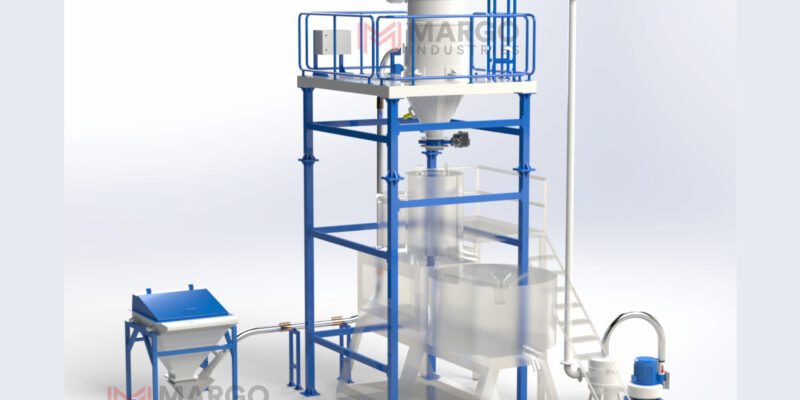
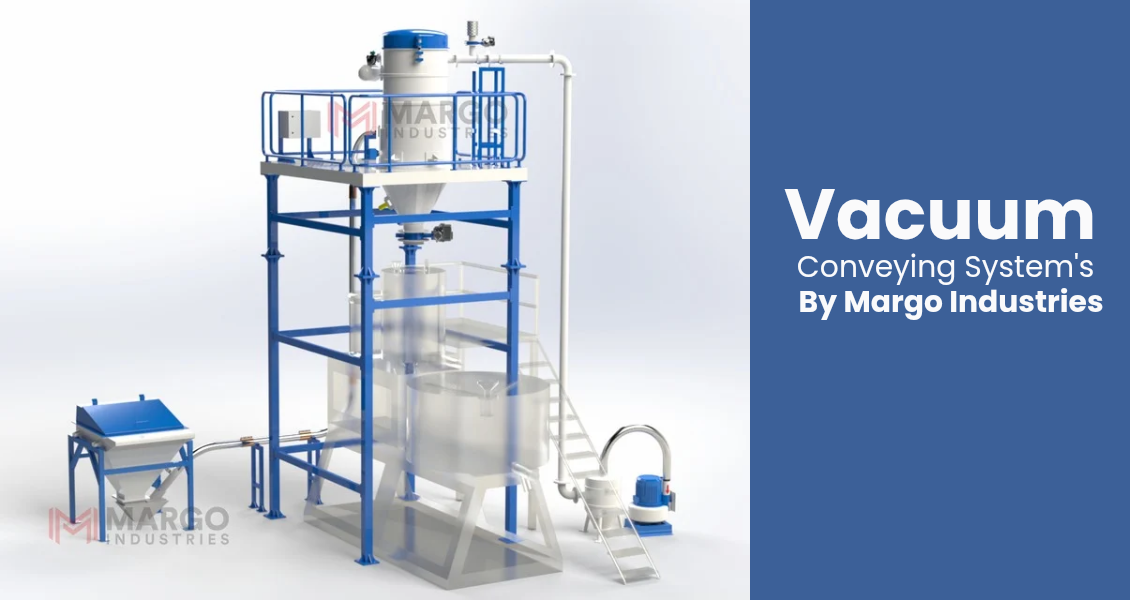
Vacuum conveying system equipment used for bulk material handling in industrial plants

Vacuum Conveying System Manufacturer

Vacuum Conveying Systems: Efficient Bulk Material Handling

Material handling is an important process in production, and it is necessary that it is effective, safe and performed with minimal waste. In the modern production world, one of the most advanced and effective methods for moving wholesale materials – such as powder, granules and fluids – is through the vacuum conveying system. These systems use vacuum pressure for transport materials from one point to another in one plant, offering a cleaner, faster and more energy -efficient alternative which is a traditional message such as belts or screws. In this broad guide, we will explore all aspects of vacuum transport: their components, operations, benefits and how they bring revolution in industries around the world.

A vacuum conveying system is an automated material handling system that uses a vacuum (negative pressure) to move powders, granules, and fluids through pipes or hoses. This system is known for being clean, efficient, and safe, as it is a non-contact method of transport that reduces material degradation, wear, and environmental contamination.

Why Vacuum Conveying?

  • Dust-Free: Unlike conventional conveying systems, vacuum conveying helps keep the surrounding environment free from dust and airborne contaminants.
  • Clean and Hygienic: Especially critical in industries like food processing, pharmaceuticals, and chemicals where hygiene is a top priority.
  • Efficiency: Reduces operational costs, improves production speed, and allows for faster material handling without manual intervention.

Understanding the functioning theory of a vacuum conveying system is important for adapting efficiency. Let’s break that step by step:

Key Components:

  1. Vacuum pump :This vacuum is the heart of the conventional system. The vacuum pumps provide the necessary suction to pull the material through the pipelines. Depending on system design and requirements, a number of vacuum pumps are used, including:
    • Positive displacement pumps: These pumps are ideal for low to medium material volumes and applications where precise suction is required.
    • Regenerative blowers: Often used in low-pressure applications where high air volumes are needed, such as in conveying light powders or pellets.
    • Liquid ring pumps: Typically used for applications requiring high vacuum levels or when handling hazardous or abrasive materials.
  2. Conveying Pipeline: The pipeline is the channel through which materials move from one point to another. It is designed to reduce friction, reduce wear and secure the smooth flow of the material.
  3. Receiver / Cyclone Separator: At the end of the pipeline, a receiver or separator is used to collect the material from the air. The cyclone separator uses centrifugal force to separate the materials from the air before the air is filtered and recirculated.
  4. Airlock / Rotary Valve: This device ensures that the vacuum pressure inside the system is maintained. It prevents air from entering the system when materials are unloaded from the conveying pipeline.
  5. Filters: To ensure that the system remains hygienic and safe, high-efficiency filters such as HEPA filters or bag filters are used to capture fine particulates, ensuring that the air returned to the environment is free from dust.
  6. Control System (SCADA/PLC): The SCADA or PLC (programmable logic controller) system monitors the entire vacuum conveying process, including parameters such as airflow, pressure, and material flow. This system ensures real-time control, improves process visibility, and helps with troubleshooting.

Step-by-Step Operation:

  1. Material Intake: Materials are introduced into the system either manually or via automatic loading systems like bag dump stations or big bag unloaders.
  2. Vacuum Generation: The vacuum pump generates suction that draws the material into the pipeline. Materials are moved by the air pressure through the pipes.
  3. Conveying Process: The materials are conveyed along the pipeline toward the destination point, using the vacuum created by the pump.
  4. Material Discharge: At the end of the pipeline, materials are separated from the airflow in a receiver or separator and are either sent to a storage vessel or to the next step in the production line.

Vacuum conveying systems come in several different types, each designed to meet specific requirements in different industries. The most common types here are:

Key Components:

  1. Centralized Vacuum Conveying System
    • Overview: This system features a single vacuum source that serves multiple production lines or stations within a facility. It’s a highly effective solution for large manufacturing plants where numerous conveying lines are required.
    • Applications: Large-scale manufacturing operations, multi-line facilities, and high-volume production.
    • Advantages:
      • Reduced maintenance costs, as there is only one central vacuum unit.
      • Easier system monitoring and control, as everything is centralized.
  2. Dedicated Vacuum Conveying System
    • Overview: A dedicated system serves one specific process or production line. It is tailored to handle specific materials and needs, such as a dedicated line for pharmaceutical-grade powders.
    • Applications: Pharmaceutical production, food processing, and any process requiring strict material handling.
    • Advantages:
      • High efficiency and customization to specific materials.
      • More control over material flow and vacuum levels.
  3. Portable Vacuum Conveying System
    • Overview: A portable vacuum conveying system is smaller, flexible, and can be moved to different locations within the plant. These systems are useful in plants where temporary or small-scale conveying is required.
    • Applications: Used for small batch production or during maintenance in large plants.
    • Advantages:
      • Flexibility to move between different production lines.
      • Compact design, ideal for facilities with limited space.
  4. Dense Phase vs. Lean Phase Vacuum Conveying Systems
    • Dense Phase Conveying:
      • Operation: Involves conveying materials in a dense, slow-moving flow at high pressure and low velocity.
      • Applications: Used for heavier, more abrasive materials that need to be transported carefully, such as cement, plastics, and resins.
      • Advantages: Lower wear on equipment, less energy consumption, and reduced material degradation.
    • Lean Phase Conveying:
      • Operation: Materials are conveyed at high velocity but low pressure, in a light, faster-moving flow.
      • Applications: Ideal for light powders, grains, or small pellets.
      • Advantages: High-speed conveying, energy-efficient, and effective for conveying light materials.
  1. Dust-Free Operation
    • One of the biggest advantages of vacuum conveying systems is their ability to keep the working environment free of air dust. This not only improves hygiene in convenience, but also reduces the health risk for workers, especially in industries such as drugs and food processing where pollution is a serious concern.
  2. Improved Product Quality
    • With precise control over material handling and conveyance, vacuum conveying systems ensure the quality of the product. By maintaining accurate flow rates and preventing pollution, the system helps to produce high quality materials.
  3. Increased Safety
    • Safety is significantly enhanced with vacuum conveying systems. These systems reduce the risk of spread, leaks and accidents by fully attaching the material. In industries where dangerous materials are handled, vacuum ensures that toxic or combustible substances are safe.
  4. Reduced Labor Costs
    • Vacuum systems automate the material handling process, reducing the need for manual labor. Workers no longer have to carry or move heavy bags or containers, significantly cutting down labor costs and improving workplace safety.
  5. Energy Efficiency
    • By utilizing low-pressure pneumatic conveying, these systems require less energy compared to traditional mechanical systems, leading to significant savings on energy bills.
  6. Flexibility and Scalability
    • Vacuum conveying systems can be easily scaled to accommodate changes in production needs. Adding or relocating conveying pipelines is simple, making it easy to adapt the system to different materials or production processes.
  1. PVC & Polymer Manufacturing
    • Vacuum conveying is frequently used in the PVC industry to handle materials such as calcium carbonate, resins, and other additives. It offers a cleaner and more effective method of mixing and extruding plastic compounds by guaranteeing that the materials are transported without contamination.
  2. Pharmaceutical Industry
    • Pharmaceutical manufacturers use vacuum conveying systems to transport active pharmaceutical ingredients (APIs), excipients, and other raw materials with precision. Vacuum conveying prevents contamination and ensures a sterile environment, which is crucial for meeting regulatory standards.
  3. Food Processing
    • In food processing, vacuum conveying is used to move powders, granules, and other food ingredients without contamination. These systems also help to reduce the risk of foodborne illness by providing a clean and hygienic material transfer method.
  4. Chemical Processing
    • Vacuum conveying is used in food processing for moving granules, powders, and other food ingredients without damaging them. By offering a clean and hygienic method of material transfer, these systems also aid in lowering the risk of foodborne illness.
  5. Bulk Material Handling in Mining
    • In the mining industry, vacuum conveying systems can be used to move fine powders or chemicals used in processing minerals, providing both safety and efficiency in handling hazardous materials.

Routine maintenance is crucial to ensure the longevity and efficiency of vacuum conveying systems. Here are some common maintenance practices:

  • Regularly Check Filters: Filters should be cleaned or replaced regularly to maintain air quality and ensure proper suction.
  • Monitor Vacuum Pressure: Regularly check vacuum levels to ensure consistent performance. Low vacuum levels can indicate leaks or blockages in the system.
  • Inspect Pipes and Hoses: Ensure there are no blockages or damage to the pipes and hoses. Damaged components should be replaced immediately.
  • Lubricate Moving Parts: Components like rotary valves and vacuum pumps should be lubricated to avoid wear and tear.

Conclusion

For industries looking to improve material handling, boost productivity, and guarantee a clean and safe environment, vacuum conveying systems are quickly becoming an essential piece of equipment. These systems provide a flexible and dependable answer to the problems associated with the transportation of bulk materials, from their use in chemicals and plastics to their use in food processing and pharmaceuticals.

By incorporating a vacuum conveying system, manufacturers not only improve their productivity, but also increase the quality and stability of their products. With the benefits of a dust -free environment to increase safety and operating cost reduction, vacuum transport is a valuable investment for any production facility.

Why Choose Margo Industries for Vacuum Conveying Systems and Plant Automation?

Margo Industries leads a wealth of experience and expertise. The company have been at the forefront of plant automation, vacuum conveying systems, and bulk material handling for many years. Margo’s solutions are made to efficiently manage both small and large operating operations, and they serve a variety of industries, including PVC pipes, plastics compounding, chemical manufacturing, food processing, pharmaceuticals, and more.

A team of technicians, engineers, and designers is knowledgeable about the complexities of material handling in a variety of industries. The various needs of industries handling liquids, granulars, and powders are catered for in Margo’s vacuum conveying systems. Because of these industries’ difficulties and their in-depth understanding of particular needs, they are able to develop highly efficient solutions. Margo’s conveying systems guarantee minimal material loss and maximum efficiency whether they are used with PVC resin, calcium carbonate, wax, or titanium dioxide (TIO2).

Unlike off-the-shelf solutions, Margo Industries designs customized solutions based on the specific requirements of each customer. They understand that each industry has its own set when it comes to bulk material handling. Margo’s solutions are designed to cater to industries including:

  • Pharmaceuticals: Precise and hygienic handling of active pharmaceutical ingredients (APIs), powders, and granules. Margo ensures dust-free operations and low contamination risks while maintaining stringent standards for quality control and product safety.
  • Food Processing: From spices to powdered sugar, food-grade materials must be handled with care. Margo provides systems that ensure food safety, material preservation, and minimal contamination. Their vacuum conveying systems prevent dust formation and maintain the integrity of the raw materials.
  • PVC Compounding: In the production of PVC compounds, Margo offers solutions that optimize resin transfer, mixing, and weighing processes. Their systems ensure a consistent output of high-quality compounds and increase production efficiency.
  • Chemicals and Paints: Margo’s automated systems are capable of handling chemicals, pigments, additives, and paints with the highest level of safety, accuracy, and efficiency. Their vacuum and pressure conveying systems ensure the controlled transfer of raw materials without the risk of spillage or contamination.

Margo’s ability to customize each system allows them to tailor solutions for industries with specific needs, creating operational efficiencies that are unmatched by standard solutions.

Margo Industries integrates the latest technologies to ensure that every system they offer is state-of-the-art. One of the key features of their automation systems is the SCADA (Supervisory Control and Data Acquisition) system, which ensures real-time monitoring and centralized control of plant operations. With SCADA, operators can:

  • Monitor performance data: View real-time data such as material flow rates, energy usage, and system diagnostics.
  • Track system efficiency: Identify potential inefficiencies or malfunctions before they cause delays or failures.
  • Maintain system control: Access and control the plant’s systems remotely, making it easier to troubleshoot issues or optimize performance.

This intelligent control system empowers operators to streamline processes and react quickly to any challenges that arise, thus improving productivity, efficiency, and safety.

In addition to SCADA, Margo’s solutions include advanced automation in:

  • Batch weighing systems for accurate material measurements.
  • Mixer automation to ensure consistent and thorough blending of materials.
  • Automatic bag cutting and emptying systems to eliminate manual handling of bags, reducing labor costs and increasing operational efficiency.
  • Silo and hopper feeding systems for the seamless transfer of materials into mixing and processing areas.

By integrating advanced technology into their systems, Margo helps customers optimize production, increase throughput, and minimize human error.

Margo Industries doesn’t just offer systems for material handling — they deliver solutions that reduce costs and optimize energy use. Some of the key benefits in terms of cost savings include:

  • Material Savings: By implementing precise weighing and batching systems, Margo ensures that the right amount of materials is used in every batch, eliminating waste. Their automated systems optimize material flow, reducing overstocking or underutilization, leading to better management of raw materials and reduced procurement costs.
  • Energy Savings: Vacuum conveying systems by Margo are designed with energy efficiency in mind. By eliminating the need for excessive manual labor, reducing energy-consuming equipment, and optimizing batch processes, their systems minimize energy consumption while enhancing throughput. For example, systems are designed to reduce heat loss and improve batch cycle times, ensuring quicker turnarounds while consuming less energy.
  • Labor Savings: Automation plays a huge role in reducing labor costs. Margo’s automated systems like the bulk bag unloading system, pneumatic conveying systems, and automatic mixing solutions ensure that processes are handled efficiently without the need for continuous manual input. This reduces the need for a large workforce, cutting labor costs and improving workplace safety by reducing human exposure to potentially hazardous materials.

Health and safety are paramount, especially in industries handling hazardous materials like chemicals, pharmaceuticals, and plastics. Margo Industries takes safety seriously by incorporating the following features in their systems:

  • Dust-Free Operation: Margo’s vacuum conveying systems are designed to operate in a closed-loop environment, significantly reducing the chances of dust escaping into the air. This not only protects workers from harmful inhalation but also keeps the work environment cleaner and safer.
  • Explosion-Proof Systems: In certain industries, such as chemicals and pharmaceuticals, the risk of explosive dust clouds is a concern. Margo offers explosion-proof conveyors that mitigate the risk of fire or explosion due to the presence of volatile dust.
  • Improved Ergonomics and Safety: Automation reduces the need for manual handling of heavy, bulky materials, minimizing the physical strain on workers. The system’s automatic bag cutting and dumping solutions eliminate manual lifting, which can be a common cause of workplace injuries.

By integrating advanced safety features, Margo ensures that their systems not only comply with industry safety standards but exceed them.

A consistent and high-quality product is essential for businesses looking to maintain their reputation and customer satisfaction. Margo’s vacuum conveying systems contribute directly to achieving this by:

  • Precise Weighing: Margo’s auto weighing and batching systems ensure that every batch is mixed with precise quantities, maintaining product consistency and reducing waste.
  • Eliminating Material Contamination: With vacuum conveying, materials are transported in a controlled environment, reducing the chance of cross-contamination, especially in industries like pharmaceuticals and food processing.
  • Consistency in Product Output: The automated systems offer consistent and repeatable results, reducing human error and variability in the production process.

One of the key differentiators that set Margo Industries apart from other companies is their dedication to after-sales support. Margo understands that the installation of a vacuum conveying system is just the beginning of the journey. They provide:

  • Comprehensive training programs: To ensure your team is well-versed in operating the system and maximizing its potential.
  • Ongoing maintenance services: Regular maintenance ensures that the system continues to perform optimally throughout its lifespan.
  • 24/7 support: Margo’s team of technical experts is always available to troubleshoot and resolve any issues you might face, ensuring minimal downtime and uninterrupted production.

Margo’s systems are designed to provide long-term value. With reduced energy costs, labor savings, increased material utilization, and improved product quality, Margo’s vacuum conveying systems and plant automation solutions help you achieve a high ROI. Investing in Margo’s solutions translates to higher operational efficiency, lower production costs, and faster payback periods. Additionally, their systems are designed to be scalable, allowing businesses to grow without needing to reinvest in new infrastructure.

Conclusion: Margo Industries is the Ideal Partner for Vacuum Conveying Systems and Plant Automation

In today’s fast-paced industrial landscape, efficiency, safety, and cost-effectiveness are paramount. Margo Industries provides innovative solutions that address all of these challenges. From vacuum conveying systems and pneumatic conveying to weighing and batching systems, Margo’s automation solutions optimize every aspect of material handling. With a focus on customization, advanced technology, and after-sales support, Margo Industries is committed to helping businesses in various sectors maximize productivity, profitability, and safety.

By partnering with Margo, you are investing in a future of optimized operations, reduced costs, and improved product quality. Choose Margo Industries for your material handling and automation needs, and experience unparalleled service and performance.

Service Brochure

Construction-Brochure-Sample

An overview of our construction services from Construction Management, Design-build, General Contracting to Small Jobs and Service Work

Service-Brochure.PDF

FAQ

Item #1

Lorem ipsum dolor sit amet, consectetur adipiscing elit. Ut elit tellus, luctus nec ullamcorper mattis, pulvinar dapibus leo.

Lorem ipsum dolor sit amet, consectetur adipiscing elit. Ut elit tellus, luctus nec ullamcorper mattis, pulvinar dapibus leo.

Lorem ipsum dolor sit amet, consectetur adipiscing elit. Ut elit tellus, luctus nec ullamcorper mattis, pulvinar dapibus leo.

Conclusion: Margo Industries is the Ideal Partner for Vacuum Conveying Systems and Plant Automation